
A new ESG (Environmental, Social, and Governance) rating system for the gaming industry has been introduced, and companies are facing new compliance costs.
If you've been following the games industry closely, you've probably noticed a new acronym creeping into investor reports, corporate announcements, an

If you've been following the games industry closely, you've probably noticed a new acronym creeping into investor reports, corporate announcements, and industry roundtables: ESG – Environmental, Social, and Governance.
It's not just corporate jargon. Over the past few years, ESG has quietly become one of the most significant forces reshaping how game companies operate. With major rating agencies now systematically evaluating game developers and publishers, compliance is no longer a "nice to have" – it's becoming a business necessity.
So what's actually happening? And what does this mean for game developers, publishers, and players?
What ESG Ratings Actually Measure
Let's start with the basics. ESG ratings are third-party assessments of how companies manage risks and opportunities across three dimensions: Environment, Social, and Governance. Think of them as report cards for corporate responsibility – but with real financial consequences.
The most influential player in this space is MSCI (Morgan Stanley Capital International), which rates over 8,500 companies globally on a seven-tier scale from CCC to AAA. According to MSCI's methodology, ratings are based on 35 key issues across 10 themes, including carbon emissions, data security, labour management, and corporate governance. Importantly, MSCI analysts don't rely on company self-reports – they use publicly available information, regulatory filings, and third-party data to form independent assessments.
In the games industry, the "Social" pillar carries the most weight. For interactive media and services companies, MSCI allocates roughly 52% of the rating weight to social factors, with particular emphasis on human capital development, privacy, and data security. Environmental concerns account for only about 5%, while governance makes up the remaining 42%.
Who's Getting Rated – and How They're Doing
The ratings landscape is diverse, and it's becoming increasingly clear which companies are leading – and lagging.
South Korea's NC achieved the top AAA rating in MSCI's 2026 assessment, moving up from its previous AA rating. The company was recognised for transparent disclosure of human resources information, greenhouse gas emissions efficiency, executive-level ethical oversight, and anti-corruption policies. It's the only Korean game company to hold both "Industry Leader" and "Regional Leader" badges in the 2026 Sustainalytics ESG Risk Rating.
China's 37 Interactive Entertainment holds an AA rating from MSCI, placing it in the top 10-20% of companies globally. The company's employee benefits programme – which includes housing loans of up to 500,000 yuan, a "New Generation Fund" of 20,000 yuan per child, and psychological counselling services – appears to have contributed significantly to its strong social score.
Kingnet Network achieved an AA rating in Wind's ESG system, ranking first among 105 entertainment companies. The company has set ambitious carbon neutrality targets for 2025 and 2035, purchased 1,100 green energy certificates, and reduced greenhouse gas emissions by 59% year-over-year.
But not everyone is performing well. In the London Stock Exchange Group's ESG ratings, among 16 A-share entertainment companies, ratings ranged from B+ (Perfect World) to D+ (ST Huayi and Ruyi Films), with the largest cluster landing in the C range.
Why Game Companies Face Unique ESG Risks
The games industry isn't like traditional manufacturing or energy sectors. The ESG issues that matter most are distinctly digital.
Data privacy and security are top-tier concerns. With millions of user accounts, payment information, and behavioural data at stake, games companies are under increasing scrutiny for how they protect player information. In the MSCI framework, privacy and data security are weighted as critical social issues for the interactive media sector.
Human capital management is another major area. The games industry is notorious for intense working conditions, including "crunch" culture and high burnout rates. Companies that can demonstrate robust employee support systems – mental health programmes, fair compensation, and reasonable working hours – tend to score higher.
Content responsibility – particularly underage protection and gacha mechanics – is also drawing increased regulatory attention. As loot boxes face bans and restrictions in multiple countries, the ability to manage these risks is becoming a key ESG compliance issue.
ESG as an Investment Driver
Here's where things get serious for publicly traded game companies. ESG ratings are no longer just PR – they directly affect capital access.
As one analysis of 37 Interactive Entertainment's AA rating noted, ESG ratings are becoming a core dimension for institutional investors to assess a company's long-term value. MSCI's ratings are used by asset managers managing approximately $15 trillion in assets globally. A poor rating can shut you out of that pool. A strong one can open doors.
The London Stock Exchange Group's ESG data also shows that Chinese game companies are increasingly being rated – and that investors are paying attention to year-over-year changes. For example, 37 Interactive Entertainment improved its LSEG rating from B- in 2025 to B in 2026, moving from second place to a tie for first among its peer group.
The Reporting Gap
One of the biggest challenges – and opportunities – in game industry ESG is disclosure.
According to an ESG report on the Chinese games industry, only about 56% of A-share listed game companies published ESG or CSR reports as of 2022. Over 60% of those that did report failed to conduct "materiality analysis" – the process of identifying which ESG issues actually matter to their business and stakeholders. And less than 35% disclosed quantitative KPIs.
This matters because rating agencies penalise lack of disclosure. When companies don't provide information, agencies make assumptions – and those assumptions are often unfavourable. The same report noted that while MSCI ratings for Chinese game companies have improved over the past four years, they still lag behind their international peers, partly due to lower disclosure levels.
What's Next for the Industry?
The ESG train has left the station. The question is no longer whether game companies will be held accountable for their environmental, social, and governance impacts – it's how quickly they'll adapt.
Expect more disclosure mandates. With the EU's Corporate Sustainability Reporting Directive (CSRD) already in effect for large companies, and similar frameworks emerging in Asia, regulatory pressure to disclose ESG data is only increasing.
Watch the "S" pillar closely. For game companies, social issues – privacy, labour, content responsibility – will continue to dominate ESG assessments. Companies that treat these as strategic priorities, not compliance checkboxes, will likely outperform.
Prepare for investor scrutiny. As ESG data becomes more standardised and accessible, institutional investors will increasingly use it to differentiate between companies. The gap between ESG leaders and laggards will widen.
The games industry has always been driven by innovation. Now, it's being asked to innovate on responsibility as well. And for the companies that get it right, the payoff might be more than just a good rating – it could be a genuine competitive advantage.
Original Content Declaration — This article was written by the appdgg Editorial Team and represents original work created through independent research and firsthand gameplay experience. Last updated: July 2026.
Other content
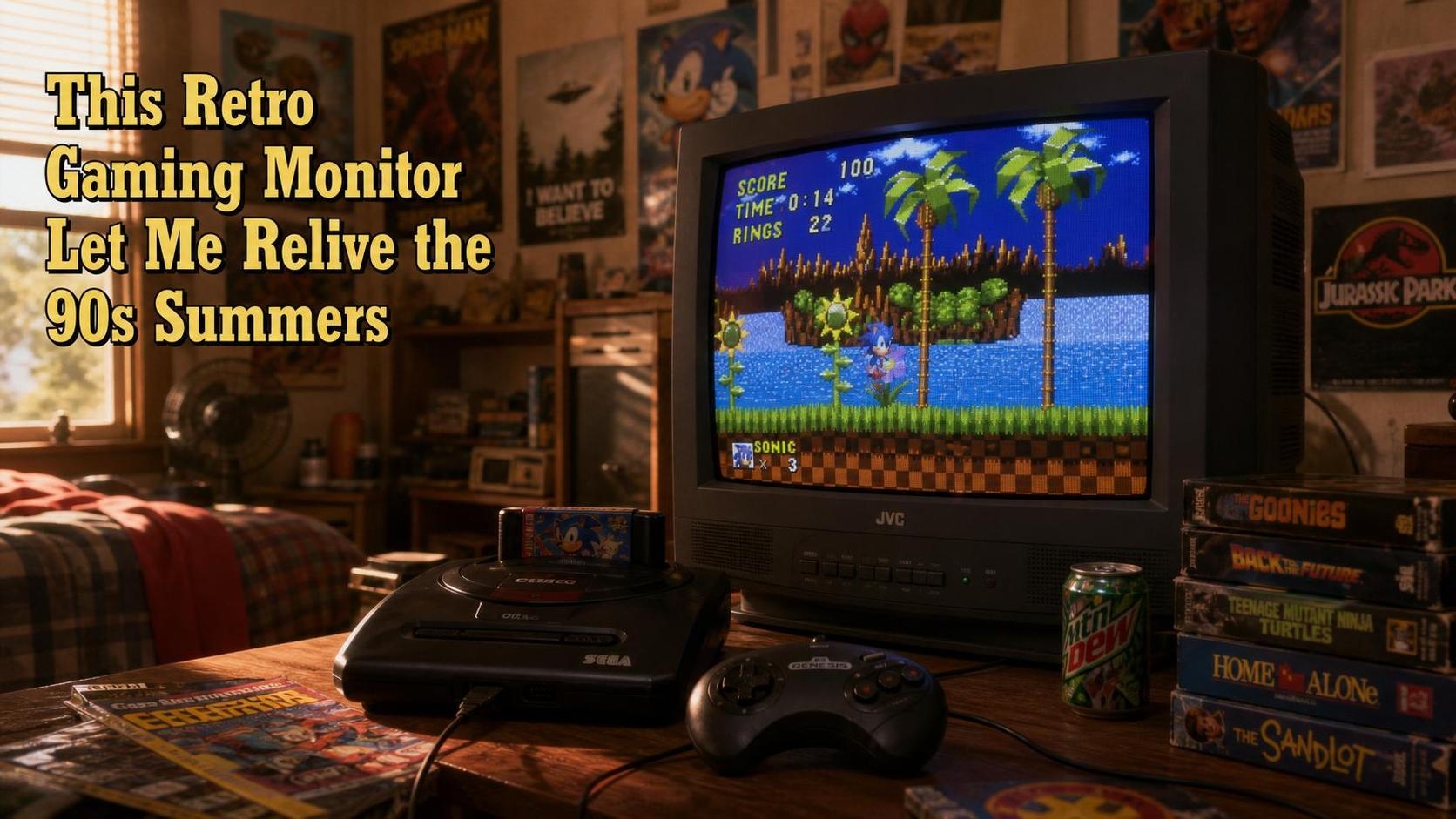
This Retro Gaming Monitor Let Me Relive the 90s Summers
There is a specific smell that belongs to a summer afternoon in the 1990s. It's a mix of hot asphalt, grass someone just mowed, and the warm electrica
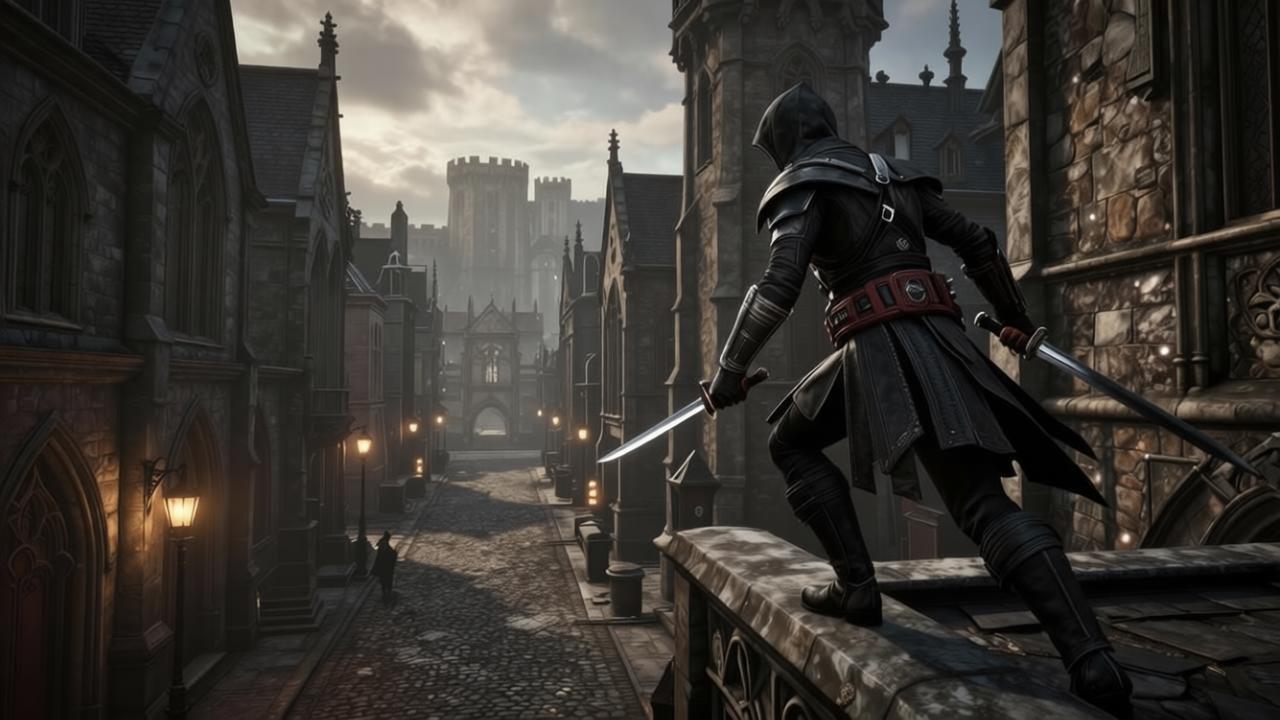
Assassin's Creed Shadows Ended Up Great–If You Played All The DLC
I'll say something that might get me looked at sideways by certain corners of the fanbase. I think Assassin's Creed Shadows is genuinely good. Maybe e
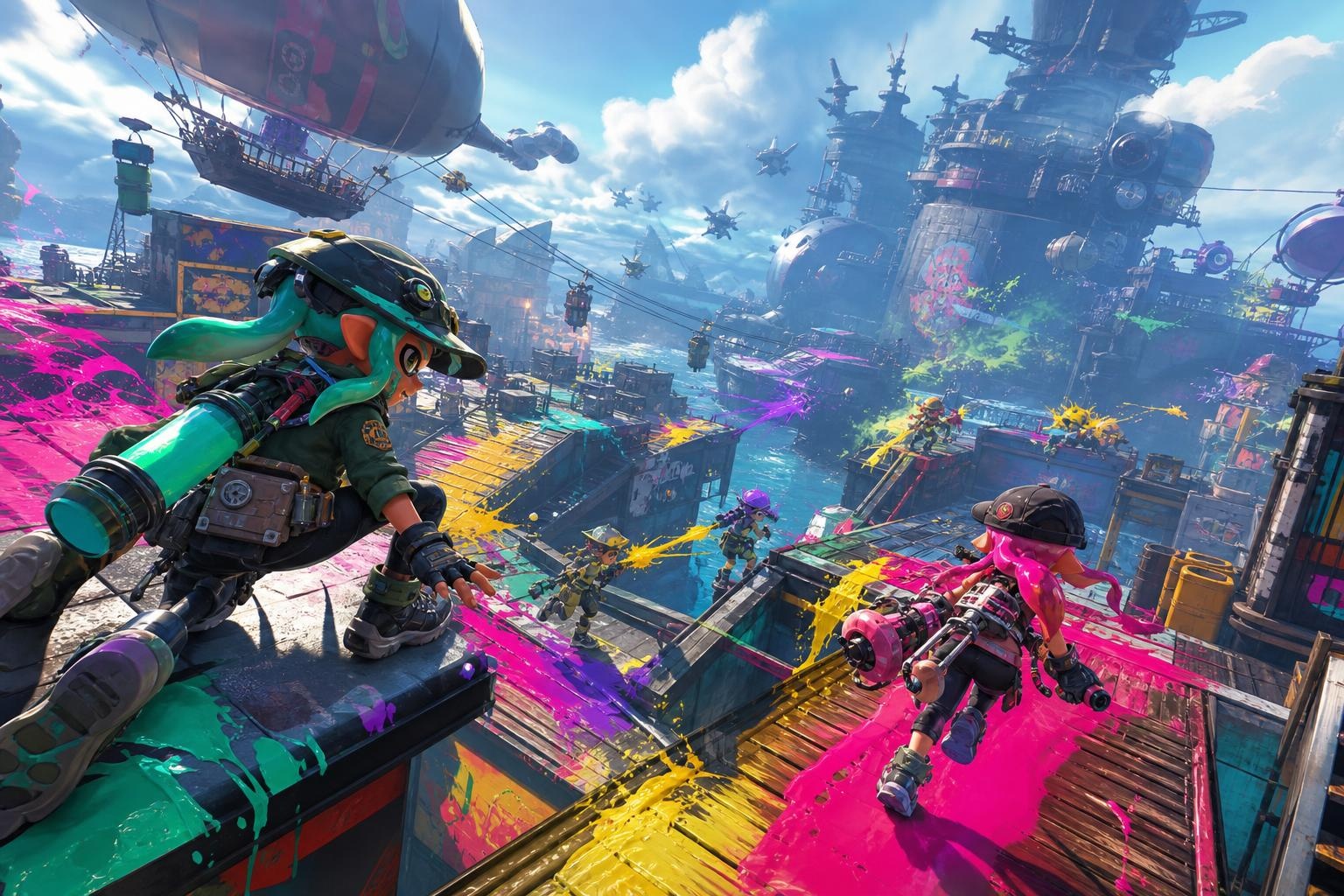
Splatoon Raiders Is A Bold Rethink Of What Makes A Splatoon Game
Splatoon Raiders Flips the Series on Its Head, and That's Exactly the Point For close to ten years, Splatoon has meant one thing to most players. Comp
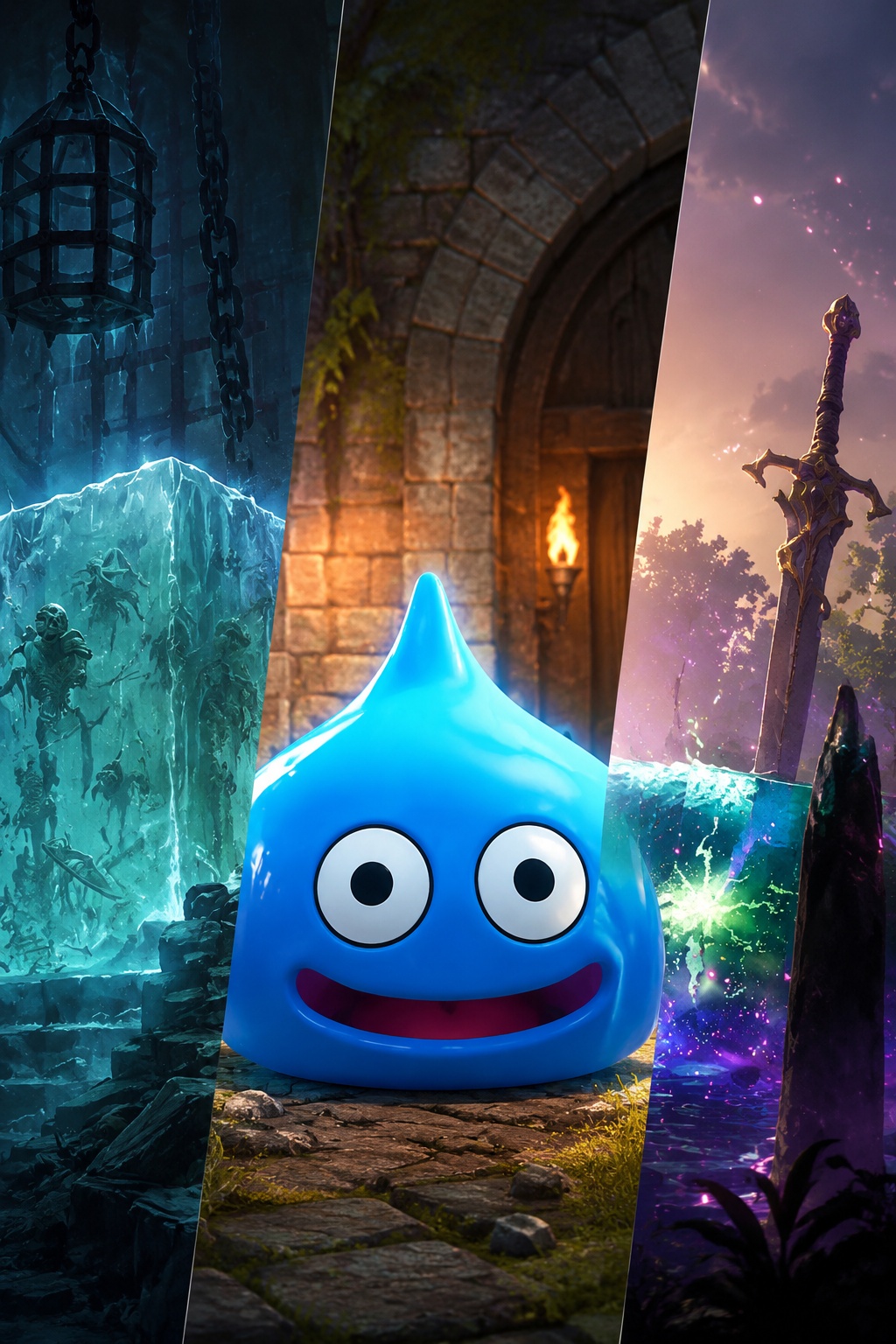
Prime Slimes: A Guide To Gaming's Greatest Goo-Getters
Prime Slimes: A Guide to Gaming's Greatest Goo-Getters There is something weirdly satisfying about a good slime. Maybe it's the way they jiggle when t