
Indie Game Dev Log: How to Design the Next Decade of Emotional Resonance Engine Battles in a 48-Hour Game Jam
Indie Game Dev Log: Building a Game That Actually Moves People – In Just 48 Hours You've got two days. Forty-eight hours. Maybe a bit less if you're t
Indie Game Dev Log: Building a Game That Actually Moves People – In Just 48 Hours
You've got two days. Forty-eight hours. Maybe a bit less if you're the kind of person who thinks sleep is optional (it is, during a game jam). You've got a theme, a vague idea, and a team of people you might have just met. And you need to build something playable. Something that doesn't just work, but actually makes people feel something.
That's the challenge. And honestly, it's the best part of the whole experience.
The One Rule That Actually Works
Here's something I learned the hard way: forget about three-act structures, character backstories, and branching narratives. You don't have time for any of that.
You have time for three emotional beats. That's it.
The hook. The choice. The payoff.
Everything else is just polishing.
At the Global Game Jam 2026, the theme was "Masks." One team built a simple 2D combat game where you fight a dragon. Every time you lose, you get a mask that boosts your stats. But here's the twist: wearing the mask actually makes the dragon stronger. The only way to win is to refuse the mask – to trust your own strength.
Three beats. The hook (you need to beat a dragon). The choice (wear the mask or refuse it). The payoff (refusing it is the only path to victory). No sprawling story. No complex dialogue. Just a simple mechanic that actually means something.
That's emotional resonance in a weekend.
Make Your Mechanics Mean Something
Here's the thing: you don't need a big budget to make players feel something. You just need intentionality.
At the Brackeys Game Jam 2026.1, a team built a game called I Found Myself. The theme was "Strange Places." They created a surreal, looping corridor that represented a mental space – a liminal state between reality and something else. But what made it special wasn't the concept. It was the context. The team had recently experienced loss, and they used the jam as a way to process that grief. As one of the developers put it: "What is the point of creating anything if not to reveal your soul?"
That's not just a game. That's a confession.
Another example: Walkman, submitted to the Unlikely Collaborators Game Jam. It's a rhythm game where a character named Blue listens to a Walkman on his way home from school. The music makes his world more colorful. The battery on the Walkman represents his life. When it runs out, the colors fade, the platforms disappear, and the grey reality takes over.
Simple mechanic. Deep meaning. The game is about using music to escape, to slow down, to appreciate the beauty in everyday life. No dialogue. No text. Just a feeling.
Structure First, Polish Later
Here's the trap most jam teams fall into: they start coding, designing levels, and writing dialogue before they actually know what the game is about. And then they run out of time.
The teams that actually finish – the ones that ship something complete – do the opposite. They structure first. They figure out the flow before they write a single line of code.
Sketch out your critical path: one complete route from beginning to end. Then add branches – but no more than two. Everything else is optional. Flavor text, easter eggs, extra levels – those can wait. Or they can be cut entirely.
Team Elder Monk Interactive, winners of Game Jam Jaipur 2026, took this to an extreme. They set a strict rule: once six hours had passed, no new mechanics could be added. No feature creep. No scope expansion. Just execution.
Their game Spicy Vendor operated entirely on barter – players exchanged items directly, negotiating value instead of using money. They added patience meters and emotional cues based on how the bargaining went. Every mechanic served a purpose. Every visual communicated intent.
The result? A complete, polished game that won first place. Not because it was ambitious, but because it was finished.
Don't Rely on Words to Do the Heavy Lifting
You don't need dialogue to make players feel something. Sometimes, the most powerful emotional moments come from the gameplay itself.
At a thatgamecompany jam, a team created a game called afterain. It was born from a single image: two fingers gently touching, carrying warmth that words can't express. The goal was to "leave players with a feeling that lingers softly, like warmth remaining in the palm after the rain has stopped."
No dialogue. No text. Just a feeling.
Another example: A Resting Place, made by five people over two weeks for the same jam. You follow a silent guide through a landscape, interacting with the environment as traces and signs surface. The game doesn't tell you what to feel – it creates a space where feelings can emerge.
This approach works especially well in 48 hours because it doesn't require writing, voice acting, or complex narrative systems. It requires intent. Every element – the art, the sound, the mechanics – works together to create a specific emotional tone.
Pick the Right Tools – But Don't Overthink It
You can't design emotional resonance if you can't build the game. So let's talk engines.
As of 2026, Unity is still the go-to for indie developers, especially for 2D and mobile games. It's easier to learn, cheaper to start, and more flexible for rapid iteration. Unreal Engine has become the most popular engine overall, but that dominance is driven largely by AAA studios. For a 48-hour jam, Unity is often the safer bet.
One Global Game Jam participant chose Unity specifically because it's "well-suited for 2D game development." They had almost no prior experience with Unity, but they were able to learn the editor workflow, basic C# scripting, and scene management within the jam's timeframe.
That's the advantage of Unity in a jam context: the learning curve is gentler, the community is massive, and there are endless tutorials and assets to draw from.
That said, the engine doesn't matter nearly as much as your process. The team that built Pocketbound for the Brackeys Game Jam used Nakama and Heroic Cloud to add multiplayer, a level editor, and user-generated content – all within a week. They succeeded not because of their engine choice, but because they had a clear vision and a disciplined workflow.
The Human Element
Here's the thing about designing emotional resonance in 48 hours: it's not just about the game. It's about the people making it.
Game jams are "collective events that bring people together to think about, make and play games." They create unique connections. The constraints – the time pressure, the shared theme, the sleep deprivation – often lead to emotionally intense creative processes.
One team built their game around a shared trauma. Another used the jam to break through a creative block. The jam experience itself reshaped how they view development.
That's the secret sauce. Game jams aren't just about making games. They're about connecting – with your teammates, with your players, and with yourself. And that connection is what makes emotional resonance possible.
Does It Actually Land?
You've built your game. The mechanics work. The art is passable. The sound is present. But does it actually make people feel something?
The only way to know is to put it in front of players. And in a jam, you often don't have time for proper playtesting. So you have to be ruthless about your own judgment.
Does the hook actually hook? Does the choice actually feel meaningful? Does the payoff actually land? If you're not sure, you've got a problem. And you've got about two hours to fix it.
The teams that succeed are the ones that can step back and see their creation through fresh eyes. They ask: "What would a player actually feel when they play this?" And then they build toward that feeling, relentlessly.
What I Learned
Designing emotional resonance in 48 hours isn't about being ambitious. It's about being focused. It's about choosing three emotional beats and nailing them. It's about making your mechanics mean something. It's about structuring first and polishing later. It's about choosing the right tools for the job. And above all, it's about remembering that games are made by humans, for humans – and that the best games, even the ones made in a weekend, have something to say.
The next time you're in a jam – whether it's a game jam or just a tight deadline – remember: you don't need a sprawling epic to move people. You just need three moments, a mechanic that means something, and the courage to reveal a little bit of your soul.
Because in the end, that's what emotional resonance is. It's not about fancy graphics or complex systems. It's about connection. And you can build that in 48 hours. You really can.
Original Content Declaration — This article was written by the appdgg Editorial Team and represents original work created through independent research and firsthand gameplay experience. Last updated: July 2026.
Other content
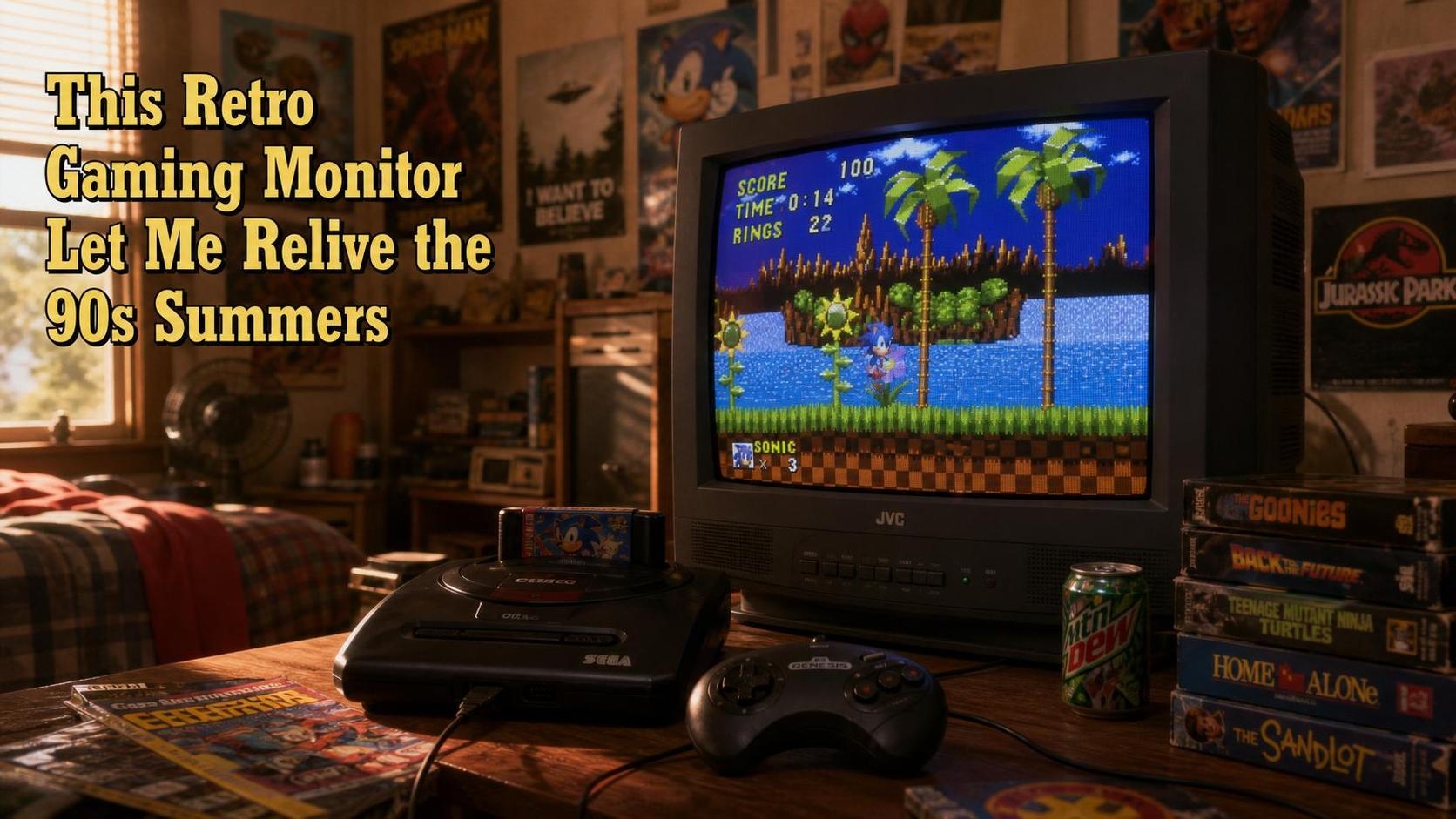
This Retro Gaming Monitor Let Me Relive the 90s Summers
There is a specific smell that belongs to a summer afternoon in the 1990s. It's a mix of hot asphalt, grass someone just mowed, and the warm electrica
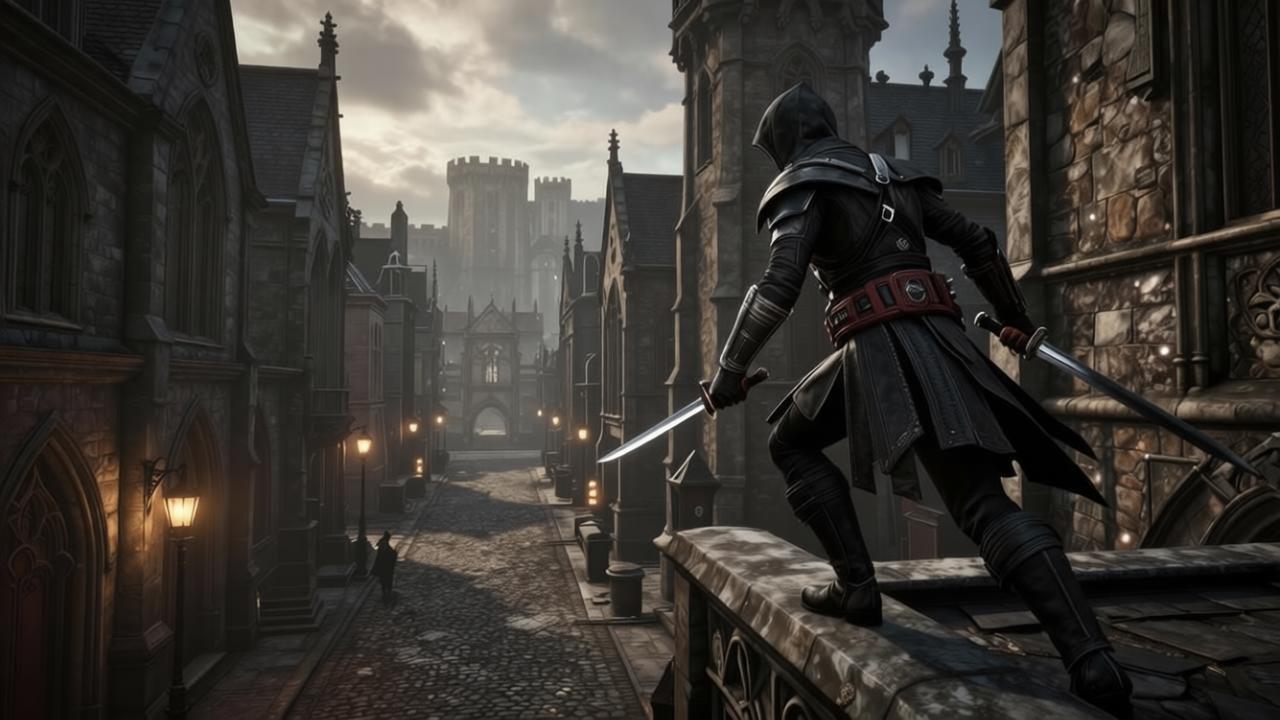
Assassin's Creed Shadows Ended Up Great–If You Played All The DLC
I'll say something that might get me looked at sideways by certain corners of the fanbase. I think Assassin's Creed Shadows is genuinely good. Maybe e
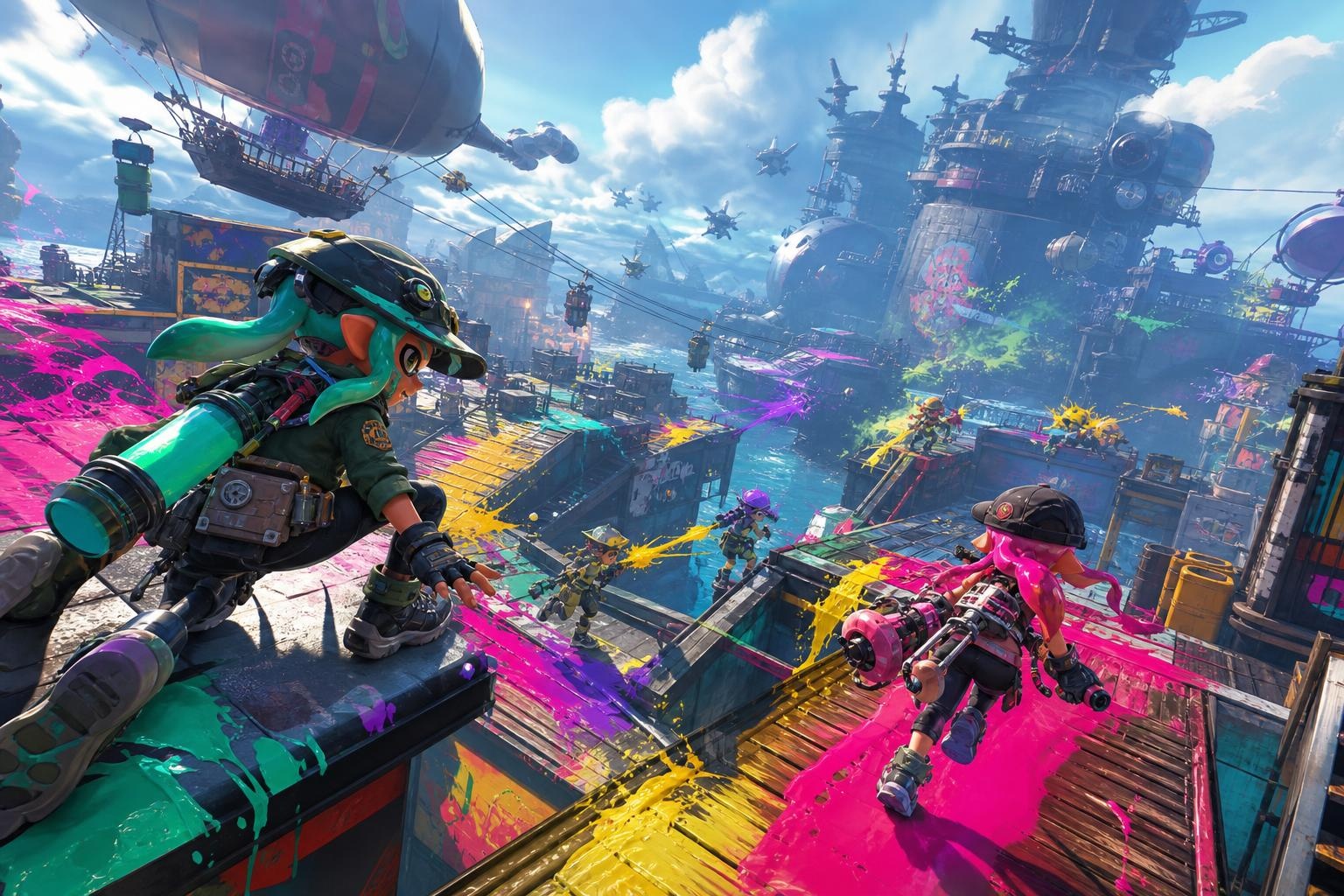
Splatoon Raiders Is A Bold Rethink Of What Makes A Splatoon Game
Splatoon Raiders Flips the Series on Its Head, and That's Exactly the Point For close to ten years, Splatoon has meant one thing to most players. Comp
Prime Slimes: A Guide To Gaming's Greatest Goo-Getters
Prime Slimes: A Guide to Gaming's Greatest Goo-Getters There is something weirdly satisfying about a good slime. Maybe it's the way they jiggle when t