
Pre-Order Culture and the Trust Crisis: How Repeated Launch Disasters Change Consumer Behavior
For a long time, pre-ordering a game was sold as something only "real fans" did. You put your money down early, maybe picked up an exclusive skin or w

For a long time, pre-ordering a game was sold as something only "real fans" did. You put your money down early, maybe picked up an exclusive skin or weapon, and felt like you were part of the build-up to release day. Publishers loved it too: early sales looked good on reports, and pre-order numbers were treated as proof that the game was already a hit.
That deal doesn't look so simple anymore. After wave after wave of messy, unfinished, or outright broken launches, a lot of players no longer see pre-orders as a show of support. They see them as a gamble. The culture around day-one buying has helped create a serious trust problem, and people are quietly changing how and when they spend.
From Hype to Hesitation
Not so long ago, pre-orders felt almost automatic. A big trailer dropped, influencers were excited, and collectors' editions dangled shiny extras. If you cared about a series, you locked in your copy early and counted down the days. The expectation was clear: the game you'd get at launch would more or less match what you'd been shown.
That belief has been worn down by a long list of bad launches. Players have watched:
Games promoted as "next-gen experiences" struggle to run properly on certain platforms.
Features heavily pushed in marketing quietly cut, reduced, or delayed.
Day-one patches arrive that fix some things but leave major problems untouched.
Instead of celebrating at midnight releases, many early buyers have ended up wrestling with crashes, performance drops, missing content, and awkward workarounds. For a growing number of people, release day is no longer something to look forward to; it's something to approach with caution.
The Emotional Fallout: "I'm Done Pre-Ordering"
When a launch goes badly, the main issue isn't just bugs—it's the feeling of being taken advantage of. Players who paid full price weeks or months in advance feel like they have been used as unpaid testers for a product that clearly needed more time in development.
That sense of being misled shows up everywhere online:
People accuse trailers and "capture on PC" footage of painting a picture that doesn't match console reality.
Review timing and platform differences are questioned when critics seem to avoid the worst-performing versions.
Players argue that publishers must have known the state of the game but pushed it out anyway to hit a date.
At first, the angry posts and videos are aimed at one specific title. Over time, though, people begin to generalise: "If this happened here, what stops it happening with the next big release?" The familiar vow appears again and again—"Never pre-order again"—and for more and more players, that line slowly stops being a heat-of-the-moment comment and turns into a new rule they actually follow.
The Growth of "Wait for Launch" Buyers
Out of this frustration, a different kind of consumer behaviour has taken root. Instead of treating launch day as the finish line of their excitement, many players now see it as the starting point for their research. They hold onto their money until they've watched how the game performs in the wild.
That usually means:
Watching real, uncut gameplay streams instead of relying on edited trailers.
Checking user reviews, forum threads, and technical breakdowns across platforms.
Looking at side-by-side comparisons to see how different systems handle the game.
Paying attention to how quickly the developers acknowledge and address major issues.
Only after that first wave of feedback do they decide whether a title deserves full price, is worth waiting for a discount, or should be skipped. Some no longer buy at launch at all, choosing instead to wait for a sale or a later "complete" edition that bundles in updates and expansions.
For publishers, this shift hurts. Pre-orders used to offer a clear view of how a launch might perform and gave them money up front. Now, a noticeable slice of the audience that would once have committed early prefers to sit back and see what happens.
Reputation, Franchises, and Fading Loyalty
Repeated launch problems don't just damage one game; they linger over the companies and brands behind it. When a publisher gains a reputation for shipping titles that need months of patches before they feel finished, players adjust their expectations—and their habits.
Some of the more common changes look like this:
Publisher filters. Players keep an internal list of companies they simply won't pre-order from anymore, no matter how promising the marketing.
Platform caution. If a studio has a history of poor console ports, for example, some buyers will only consider that developer on PC, or not at all.
Franchise burnout. Long-running series can lose their shine when new entries launch in poor shape, turning once-dedicated fans into people who ignore new announcements entirely.
On the other hand, there are still studios that have built a track record of strong, stable releases. Those names can earn a bit more patience. But even for them, the standard is higher now. A single messy launch can be enough to knock a developer off the "instant buy" list and move them into the "wait and see" category.
Learning to Live With (and Question) Hype
Pre-orders and hype have always gone hand in hand. Cinematic trailers, early previews, exclusive items, and "only if you pre-order" bonuses are all designed to turn excitement into commitment before anyone can see the final product. After so many disappointments, though, a lot of players have learned to separate enjoying the hype from actually spending money on it.
Big reveals still get attention. People still share clips, speculate about story details, and argue over mechanics. The difference is that a larger portion of the audience now sees that buzz as a show, not a promise. Under every big trailer, you can usually find comments along the lines of "Looks cool, but I'm waiting for reviews," or "I'm not pre-ordering after what happened last time."
In other words, hype hasn't died—but blind faith has. The emotional rush around a new announcement is now often balanced by a cooler, more defensive voice in the back of people's minds.
How Buying Habits Are Shifting
Put together, these experiences lead to clear, long-term changes in how players approach new releases:
Pre-orders are no longer the default. What used to be a standard move for excited fans is now something many people reserve for a tiny handful of studios, if they bother with it at all.
Refund rules matter more. Players pay attention to platform refund policies and time limits, assuming they might need them if a game launches in rough shape.
Value and timing get more weight. Waiting for price drops, bundle deals, or subscription access is no longer seen as being "cheap"; it is simply seen as sensible.
Community verdicts carry extra influence. Instead of trusting marketing, many buyers lean heavily on the impressions of early adopters, long-form reviewers, and technical analysts.
These shifts are usually the result of repeated disappointment, not a single bad purchase. After enough negative experiences, caution becomes the default behaviour, not a temporary reaction to one bad game.
What It Would Take to Repair Trust
The trust crisis around pre-order culture is not permanent, but it also won't be fixed by throwing in an extra cosmetic item or a slightly bigger bonus pack. Players pay far more attention to actions than promises now. What actually changes minds is consistency over time.
If publishers want people to feel comfortable committing before release again, they need to treat that trust as something fragile and earned. That includes:
Making sure all pre-launch footage clearly represents real, current builds on actual hardware.
Being honest about features that may not make launch instead of quietly cutting them.
Pushing back release dates when the game is not ready, rather than trying to patch everything after the fact.
Shipping products that feel complete and stable on day one, not like works in progress.
Until that becomes standard practice instead of the exception, the trend is likely to continue in the same direction. After too many "day-one disasters," players have adjusted. They are slower to hand over their money, quicker to question polished trailers, and more willing to walk away from pre-order culture altogether in order to protect themselves—and their wallets.
Original Content Declaration — This article was written by the appdgg Editorial Team and represents original work created through independent research and firsthand gameplay experience. Last updated: July 2026.
Other content
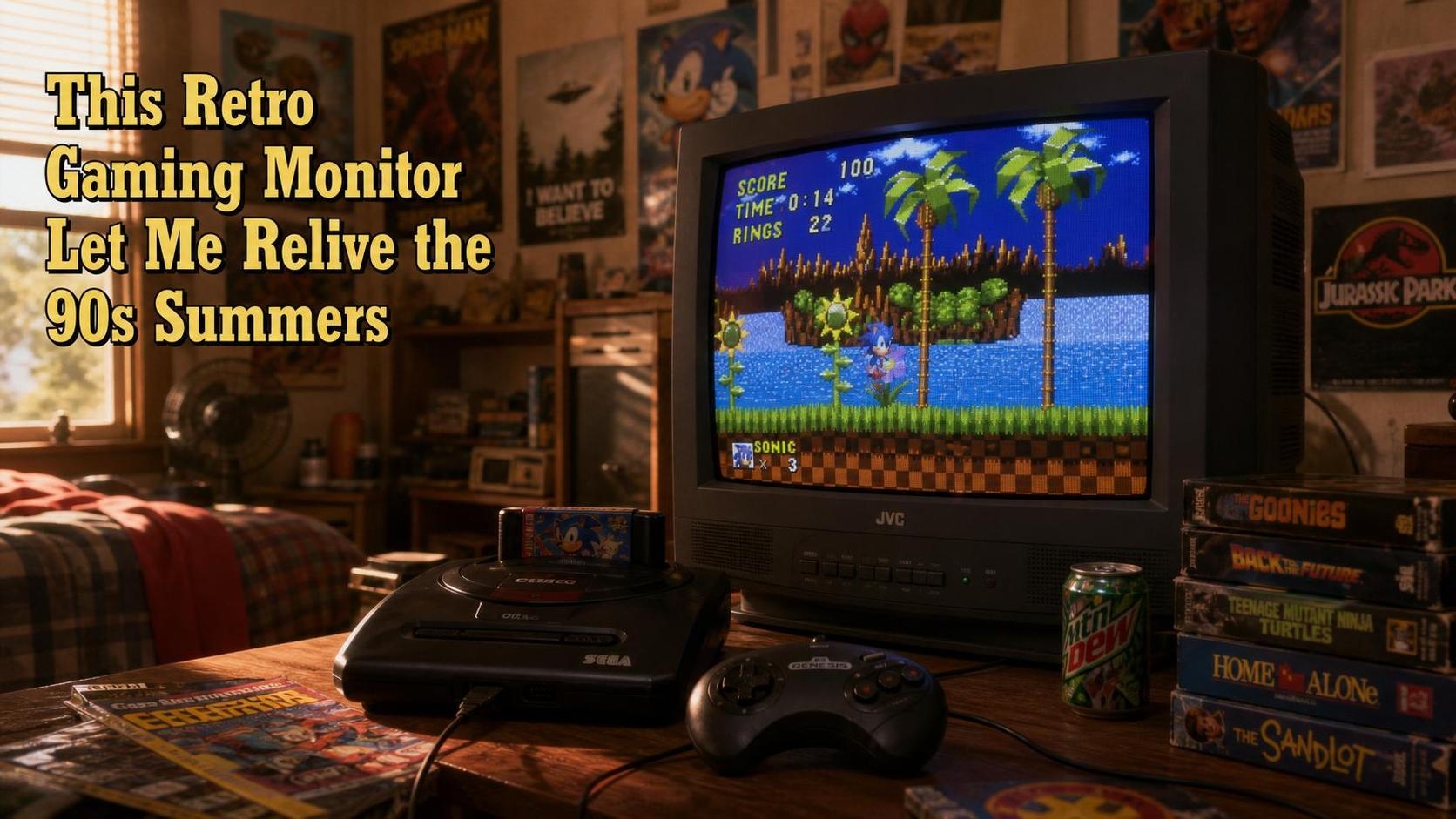
This Retro Gaming Monitor Let Me Relive the 90s Summers
There is a specific smell that belongs to a summer afternoon in the 1990s. It's a mix of hot asphalt, grass someone just mowed, and the warm electrica
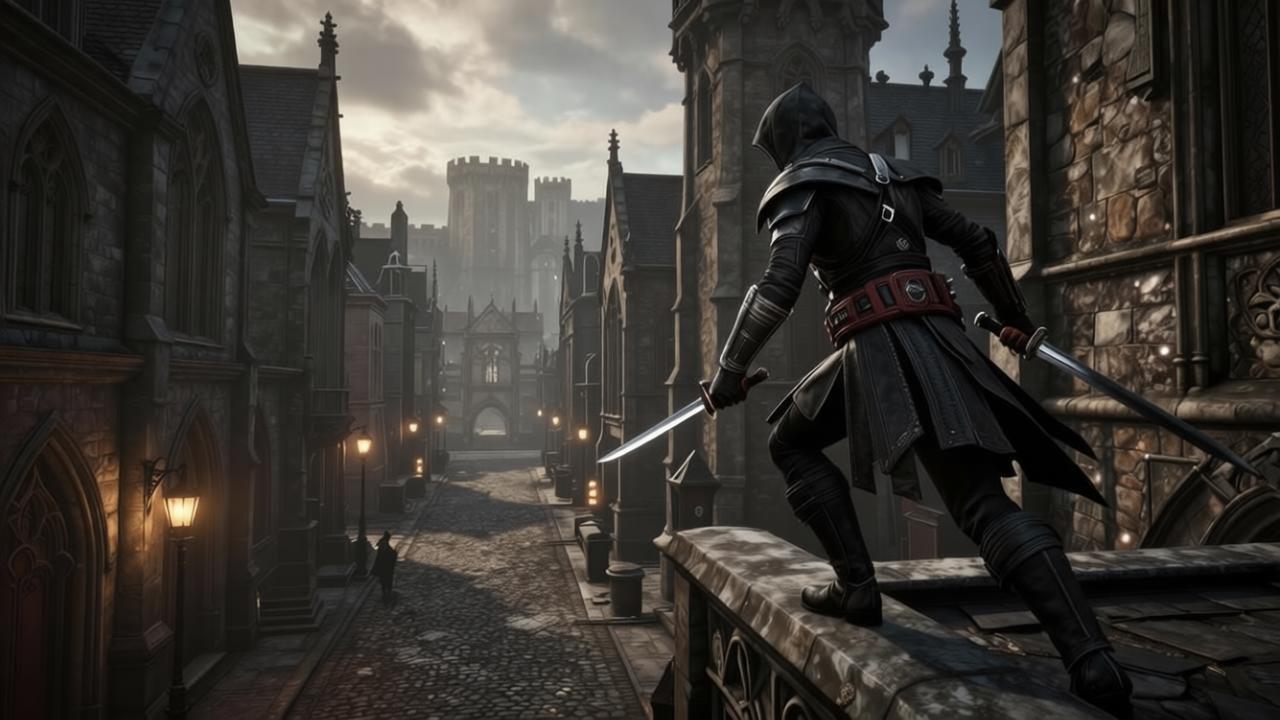
Assassin's Creed Shadows Ended Up Great–If You Played All The DLC
I'll say something that might get me looked at sideways by certain corners of the fanbase. I think Assassin's Creed Shadows is genuinely good. Maybe e
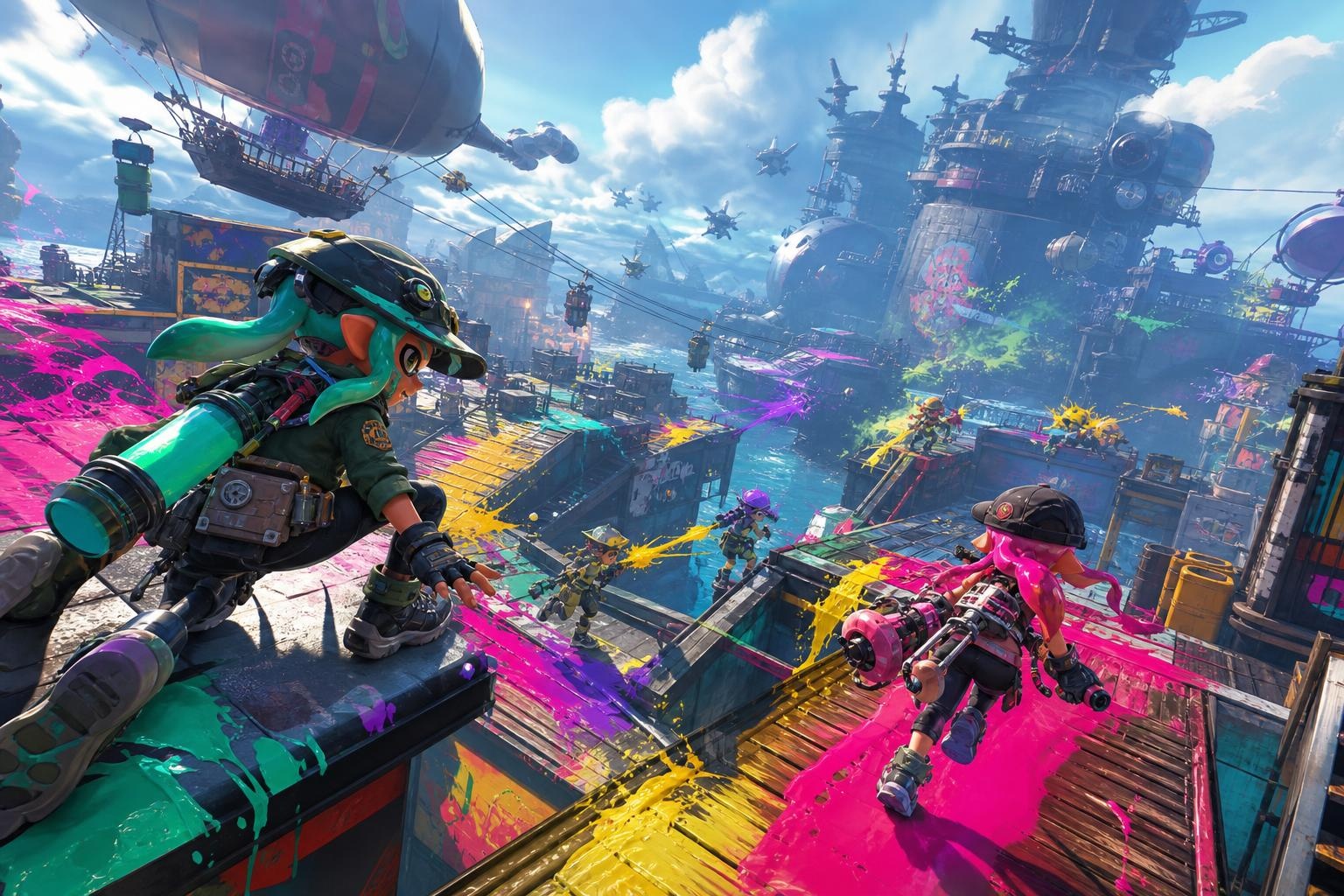
Splatoon Raiders Is A Bold Rethink Of What Makes A Splatoon Game
Splatoon Raiders Flips the Series on Its Head, and That's Exactly the Point For close to ten years, Splatoon has meant one thing to most players. Comp
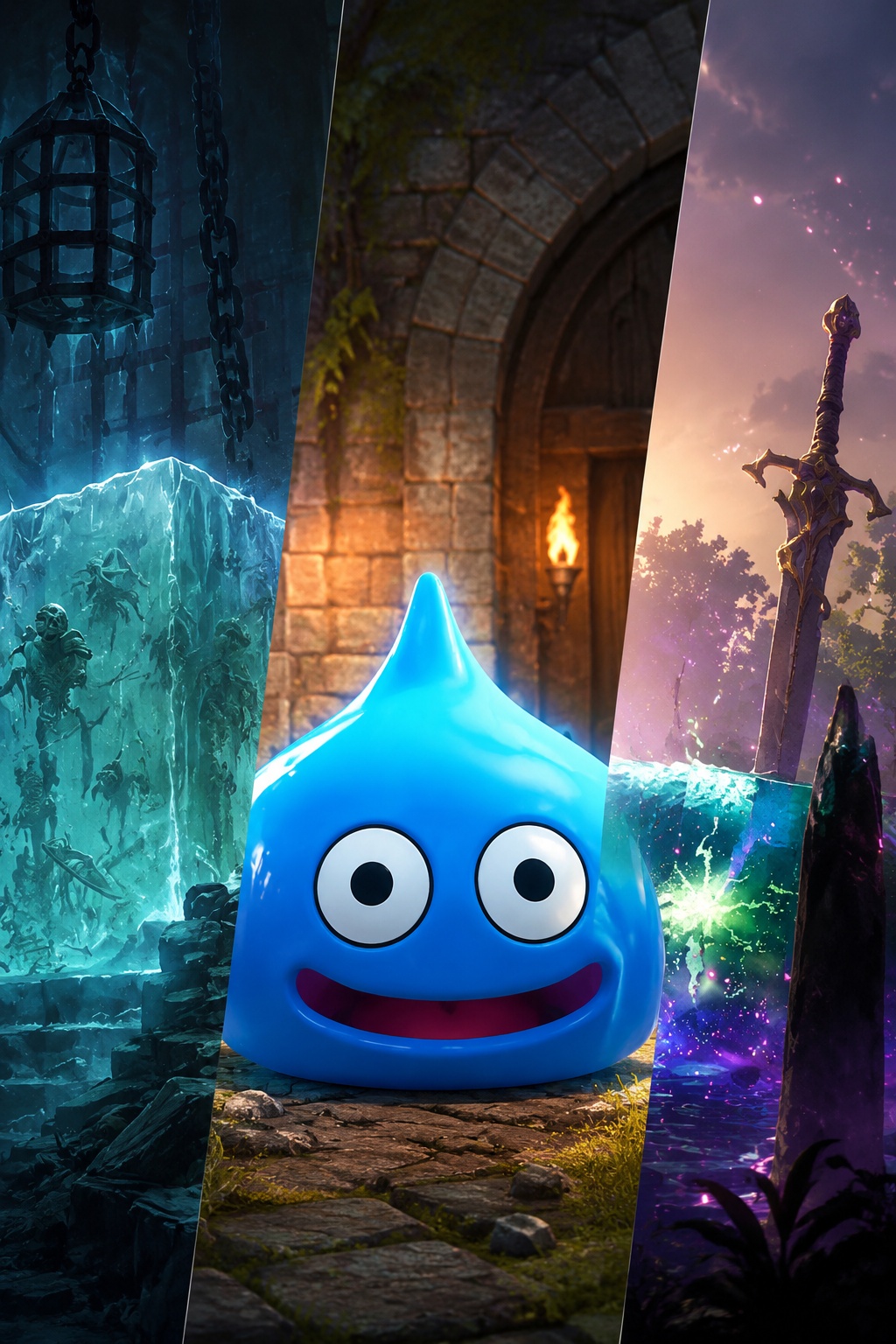
Prime Slimes: A Guide To Gaming's Greatest Goo-Getters
Prime Slimes: A Guide to Gaming's Greatest Goo-Getters There is something weirdly satisfying about a good slime. Maybe it's the way they jiggle when t