
The Rise of the African Gaming Industry: A Look at the Developer Scene in Emerging Markets like Nigeria and Kenya
For years, the global gaming conversation has revolved around the usual centres – the United States, Japan, Europe, and more recently, China. But a ne

For years, the global gaming conversation has revolved around the usual centres – the United States, Japan, Europe, and more recently, China. But a new frontier is emerging. Across sub-Saharan Africa, a vibrant, resilient, and fast-growing game development scene is taking shape, fuelled by a young, mobile-first population and a wealth of unique storytelling traditions. While still nascent and facing significant hurdles, the African games industry is no longer an afterthought. It's an ecosystem demanding serious attention.
A Market on the Move
The numbers paint a picture of a sector with enormous potential. In 2024, Africa's video game market generated approximately $1.8 billion in revenue, with mobile gaming accounting for nearly 90% of that total. Growth across the continent continues to outpace global averages. This is driven by a "perfect storm" of factors: a young and increasingly urban population, surging smartphone adoption, and expanding access to digital services.
This momentum has attracted the attention of major global technology companies. In July 2026, Google Play launched its first Indie Games Fund for Africa, committing $1 million in equity-free funding to support independent studios across 32 countries. The initiative, which offers grants between $50,000 and $200,000, is a direct response to the persistent funding challenges that have limited the ability of many studios to scale and compete internationally.
As Ben McOwen Wilson, Managing Director for EMEA at Google Play, stated, the fund is about "unlocking the immense talent of local studios, providing the resources needed to scale businesses, refine creative visions, and share uniquely African stories with a global audience."
Key Hubs: Nigeria, Kenya, South Africa, and Beyond
While the African games industry is diverse, a few key hubs are leading the charge. A central theme of the industry's development is the reality that Africa is not one market. The ecosystem is characterised by significant regional diversity, with differences in infrastructure, payment systems, cultural perceptions of gaming, and levels of government support all shaping how studios operate.
Nigeria, Kenya, and South Africa are among the most active hubs. These countries, alongside others like Ghana and Uganda, are eligible for the Google Play fund, highlighting their position at the forefront of the continent's gaming renaissance. Developers in these regions are increasingly producing games that draw inspiration from local cultures, languages, and histories – from fast-paced adventures inspired by Nairobi's matatus to fantasy quests rooted in African folklore.
In Nigeria, the game development scene is growing organically, driven by a young population eager to engage with digital entertainment. Lagos, the country's commercial capital, has become a hub for creative industries, including gaming. Developers are experimenting with genres ranging from puzzle games to action adventures, often incorporating Nigerian cultural references and languages.
Kenya's gaming scene is similarly dynamic, with developers creating games that reflect the country's unique urban culture and natural landscapes. The success of mobile gaming in Kenya is partly attributed to the widespread adoption of mobile money services like M-Pesa, which simplifies in-game purchases and payments.
South Africa has a more established gaming industry compared to other African countries, with a longer history of game development and a larger pool of experienced developers. The country has produced notable titles and has a growing community of indie developers who are gaining international recognition.
Persistent Challenges and the Path Forward
Despite the optimism, significant structural barriers remain. Access to funding is a major hurdle. The report highlights that of the approximately 250 game studios on the continent, only a tiny fraction have ever received government funding, and many have not participated in accelerators or support programs. This "investment gap" often holds back promising studios.
Other challenges include payment friction, uneven digital infrastructure, and the lack of a unified continental market, which makes it difficult to scale regionally. Developers often struggle to monetise their games due to limited payment options and low credit card penetration. Internet connectivity varies widely across the continent, with some regions still lacking reliable broadband access.
Cultural perceptions of gaming also vary. In some countries, video games are still viewed as a frivolous activity rather than a legitimate career or industry. This can affect funding, education, and public support for game development initiatives.
Initiatives like Google's Indie Games Fund, which provides non-dilutive capital and technical mentorship, are designed to bridge this gap. The fund requires selected studios to publish their games on Google Play and participate in the Google Play Pass subscription program, helping them gain global visibility. These efforts signal a growing commitment from international partners to support long-term, sustainable growth in Africa's games ecosystem.
Other organisations are also stepping in. The African Game Developers Association (AGDA) has been working to connect developers across the continent, share resources, and advocate for the industry. Game jams and local meetups are increasingly common, providing spaces for developers to network and learn from each other.
The Bottom Line
The African game development scene is in its early stages, but it is already active, resilient, and producing meaningful work. While challenges like access to capital and infrastructure persist, a combination of local creative talent, a young and growing mobile audience, and increasing support from international partners is creating an exciting and dynamic ecosystem. From the bustling streets of Lagos to the tech hubs of Nairobi and Cape Town, the next generation of African game developers is ready to tell their stories to the world.
Original Content Declaration — This article was written by the appdgg Editorial Team and represents original work created through independent research and firsthand gameplay experience. Last updated: July 2026.
Other content
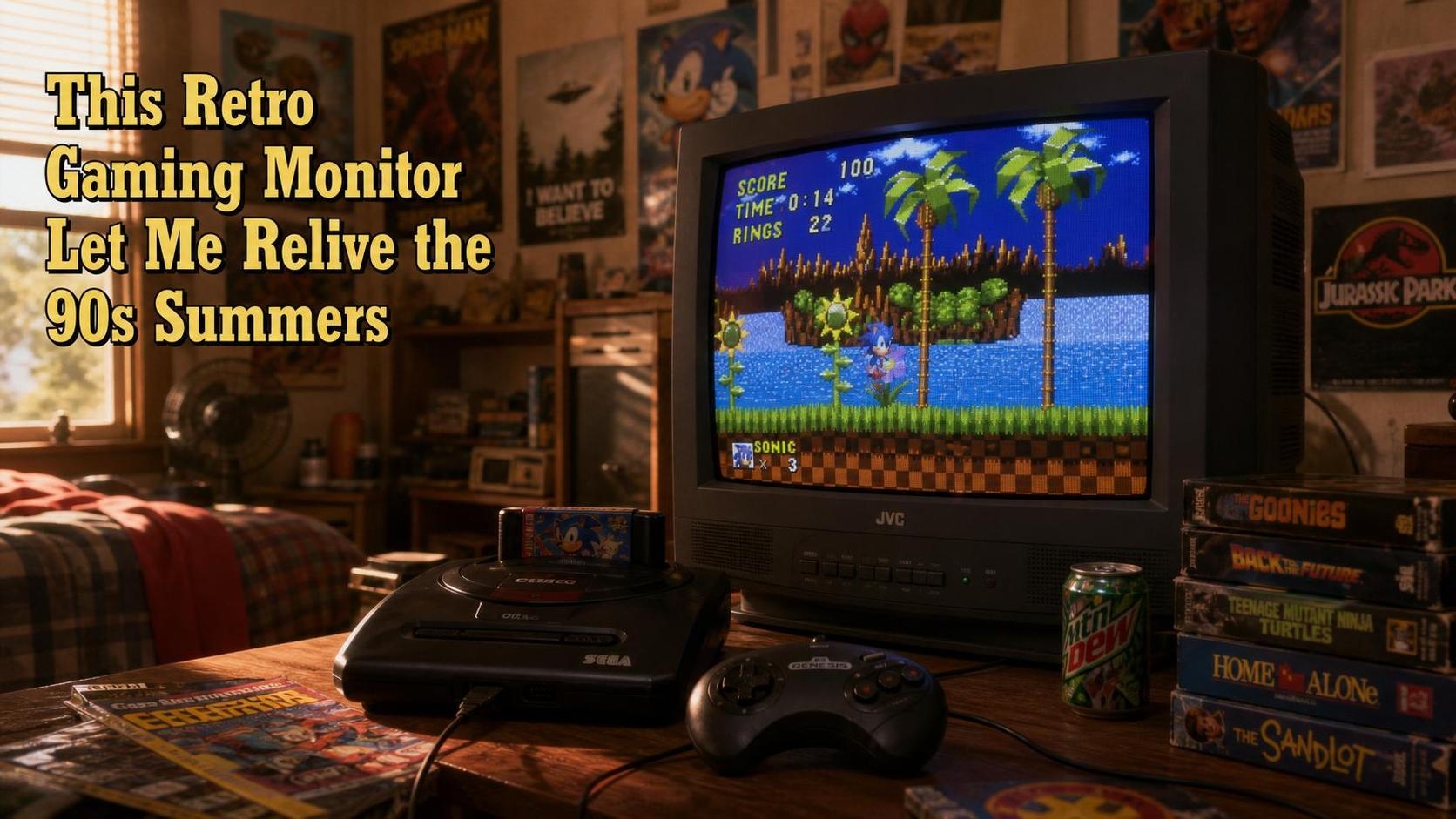
This Retro Gaming Monitor Let Me Relive the 90s Summers
There is a specific smell that belongs to a summer afternoon in the 1990s. It's a mix of hot asphalt, grass someone just mowed, and the warm electrica
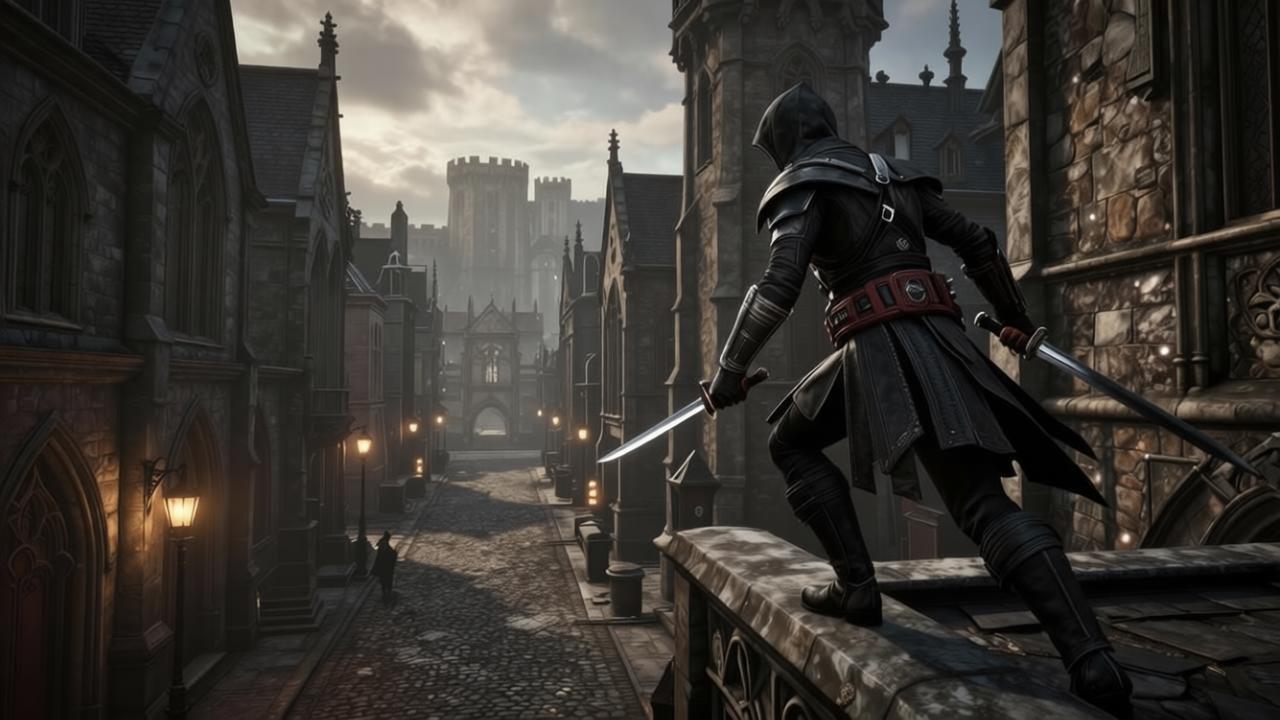
Assassin's Creed Shadows Ended Up Great–If You Played All The DLC
I'll say something that might get me looked at sideways by certain corners of the fanbase. I think Assassin's Creed Shadows is genuinely good. Maybe e
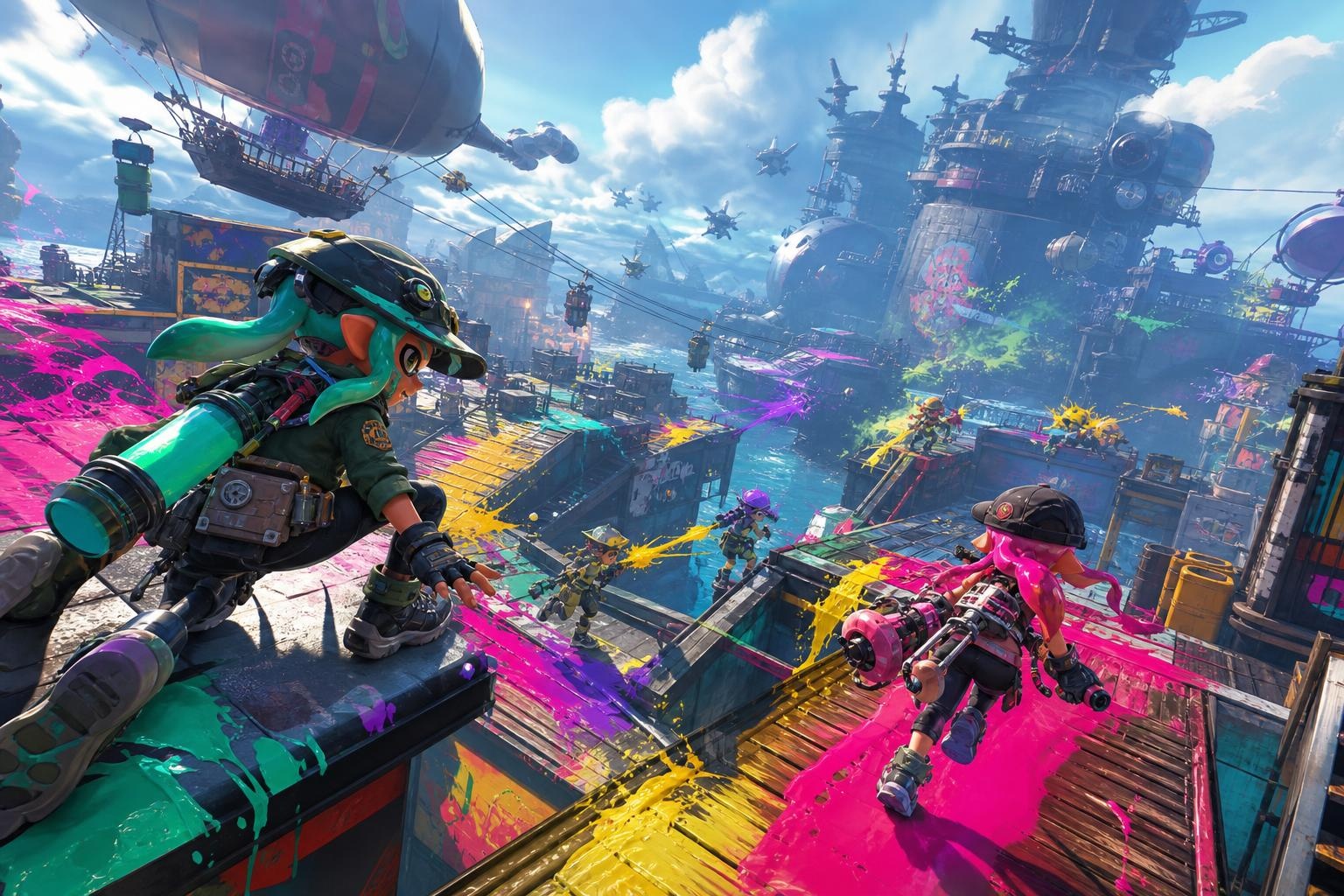
Splatoon Raiders Is A Bold Rethink Of What Makes A Splatoon Game
Splatoon Raiders Flips the Series on Its Head, and That's Exactly the Point For close to ten years, Splatoon has meant one thing to most players. Comp
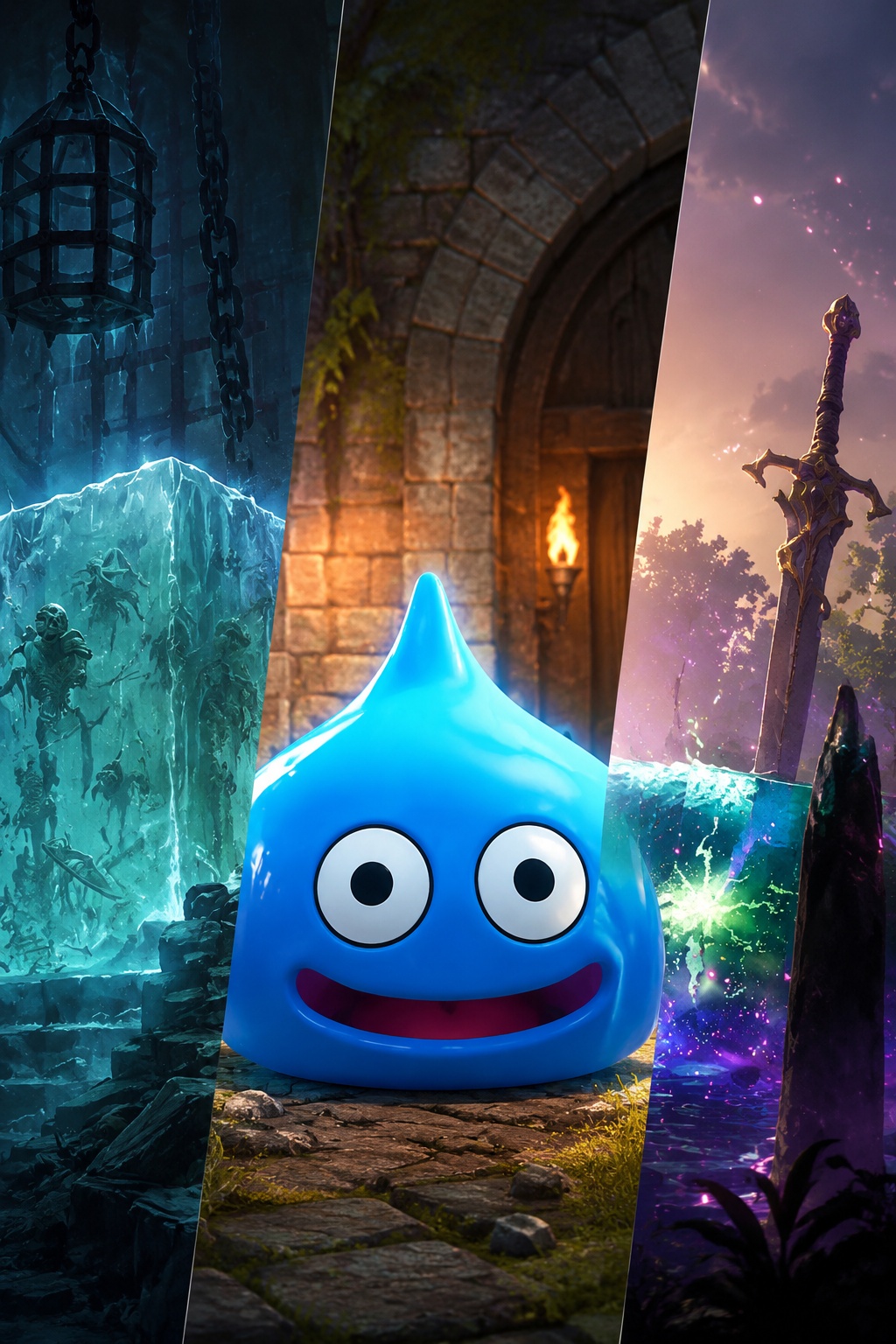
Prime Slimes: A Guide To Gaming's Greatest Goo-Getters
Prime Slimes: A Guide to Gaming's Greatest Goo-Getters There is something weirdly satisfying about a good slime. Maybe it's the way they jiggle when t