
Unreal Engine 6 is here—but do developers really need it?
Unreal Engine 6 Is Coming – But Do Developers Actually Need It? In May 2026, Epic Games unveiled Unreal Engine 6. The announcement was classic Epic: b
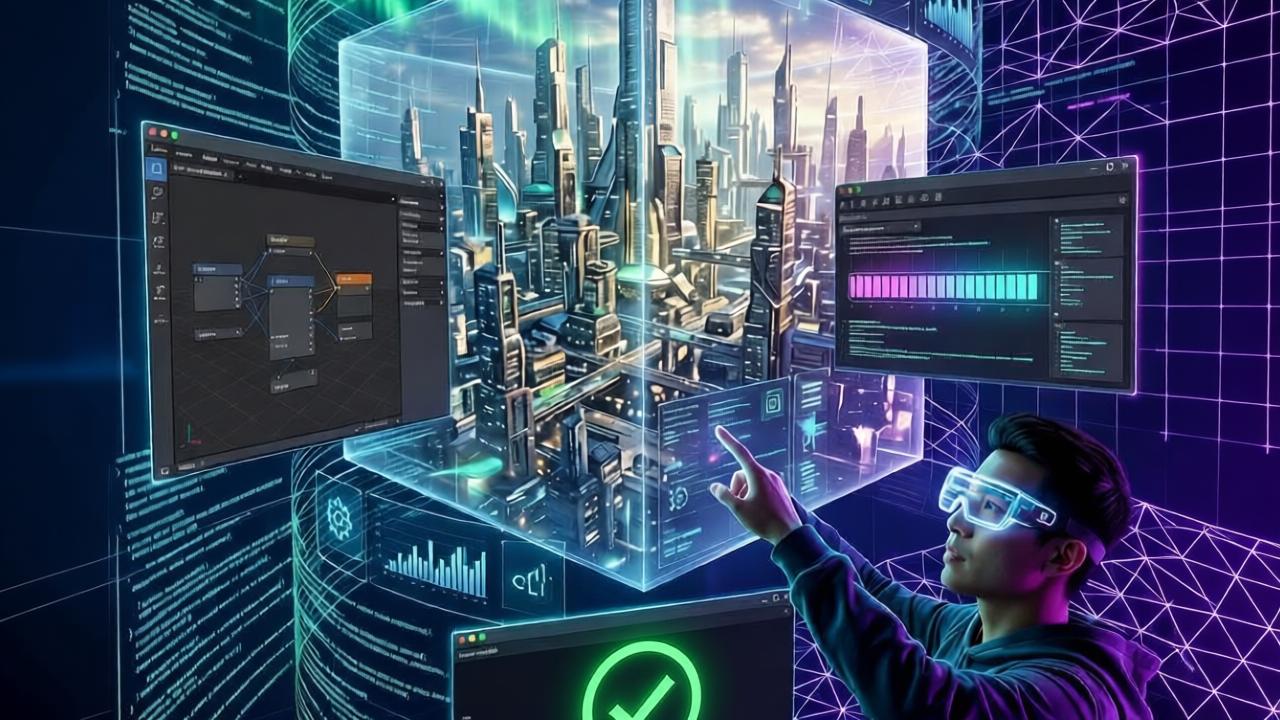
Unreal Engine 6 Is Coming – But Do Developers Actually Need It?
In May 2026, Epic Games unveiled Unreal Engine 6. The announcement was classic Epic: bold, ambitious, and slightly intimidating. Deep integration with large language models like Claude and Gemini. A switch to a new programming language called Verse. Support for thousands of developers working on the same persistent world simultaneously. A complete merger with Unreal Editor for Fortnite (UEFN). The message was unmistakable: Epic isn't just updating its engine – it's reimagining what a game engine even is.
But as the hype settles, an awkward question keeps popping up in developer forums and Discord servers: do we actually need any of this?
Two Engines, Two Very Different Paths
The contrast between Unreal Engine 6 and Unity 6 in 2026 is striking. These two giants, which have shaped the industry for over a decade, are heading in completely different directions.
Unity is doing what Unity does best: staying flexible, cross-platform, and fast. Unity 6 brought better rendering, a new toolkit for multi-platform releases, and improvements to its in-app purchase dashboard. The message is practical: you need to ship everywhere, and we're going to make that easier. Unity's 2026 roadmap also includes CoreCLR migration, better ECS-GameObject integration, and more AI-assisted tools. But none of these changes force developers to relearn the engine from scratch. It's evolution, not revolution.
Unreal Engine 6, on the other hand, feels like a declaration of war on the status quo. Epic is not just tweaking things. They're replacing the C++ Actor framework with Scene Graph – built entirely on Verse. They're planning to phase out Blueprints, the visual scripting system that made Unreal accessible to non-coders. They're building generative AI directly into the core pipeline through a Model Context Protocol. And they're merging the standalone engine with UEFN into one product.
Put simply: Unity is refining. Epic is reinventing.
What the Numbers Actually Say
The market data helps explain why both companies are making these bets – and why neither is obviously wrong.
According to the GDC 2026 State of the Game Industry report, Unreal Engine has overtaken Unity as the most popular engine overall, with 42% usage compared to Unity's 30%. That's a notable shift from 2025, when they were tied at 32%. Unreal's strength is most visible in AA and AAA studios, where its superior rendering and production tools make it the default choice.
Unity, however, still dominates mobile. It holds roughly 48% market share in that sector and powers about 70% of top-grossing mobile games. Unity also remains the go-to for many indie studios, thanks to its gentler learning curve and more accessible tools.
Pricing reflects these different audiences. Unity Pro now costs **$2,310 per seat per year**, though it's free for developers earning under $200,000. Unreal charges nothing upfront – but takes a 5% royalty on revenue over $1 million. For a small studio, Unity's free tier is appealing. For a AAA studio expecting big revenue, Unreal's royalty can be more expensive than seat licensing. These aren't small details – they shape which engine developers choose from day one.
The Verse Problem: Fixing Something That Isn't Broken
The biggest – and most controversial – change in UE6 is the move from C++ to Verse. Epic describes Verse as a "native transactional concurrency language" that can roll back and resimulate work. It's designed for persistent worlds with thousands of contributors. The pitch is compelling: you write "single-machine code," and the engine automatically handles distribution across servers. No more manual network synchronization.
But here's the thing: most games aren't Fortnite. Most studios aren't managing persistent worlds with thousands of simultaneous contributors. For the vast majority of developers – even AAA studios – Verse solves a problem they don't actually have. And it creates a massive new learning curve in the process.
Then there's the Blueprints situation. Epic has confirmed that Blueprints – the visual scripting system that's been a cornerstone of Unreal since UE4 – will be gradually phased out in favor of Verse. For countless indie developers and small studios, Blueprints was the reason they could use Unreal at all. Without it, many are questioning whether UE6 is for them.
One developer summed up the frustration in a forum post: "Ditching Blueprints in favour of Verse essentially means throwing out an entire ecosystem of Indie Development for UE. Quite a shocking change but also one that will put off a lot of the Indie Developers." Another solo developer added: "There's little to nothing that UE6 could possibly offer me to make gamedev 'easier' as a solo dev."
Epic says conversion tools will be provided and that Verse will eventually be more accessible. But for studios with years of investment in Blueprints-based projects, the transition will be painful – assuming they make it at all.
AI Integration: Helpful or Harmful?
Epic's plan to bake generative AI into UE6 is perhaps the most divisive part of the announcement. The company is pitching AI as a "creativity and productivity multiplier" – handling tedious tasks so developers can focus on the fun stuff.
In demos, Epic showed Claude furnishing a virtual apartment through natural language prompts and adjusting city lighting to match a reference photo. The models connect directly to Unreal projects, and studios can choose their preferred model – Claude, Gemini, or something custom.
Reactions have been mixed, to say the least. The GDC 2026 survey of over 2,300 developers found that 52% now believe generative AI is having a negative impact on the industry. Among artists, the number is even higher. Concerns range from quality degradation to job displacement to the ethics of training models on unlicensed work.
Epic's position is that AI is a tool, not a replacement – and that developers keep full creative control. But for many, the line between "assistant" and "substitute" is blurrier than Epic admits. And when the industry's most powerful engine bakes AI into its DNA, resistance becomes much harder.
The Fortnite-ification of Everything
Perhaps the most revealing aspect of UE6 is its deep integration with the Fortnite ecosystem. Epic wants to make content, code, and economies portable across games through open standards. The first example: Fortnite skins will become cross-game items. Developers will be able to build skins that work in Fortnite, and players will be able to carry their outfits into other UE6 games.
It's a fascinating vision – and a self-interested one. Epic isn't just building a game engine; it's building an ecosystem. It wants Unreal to be the pipeline for making games and for connecting them into a unified economy. Fortnite is the leverage point.
For AAA studios, this might be an interesting opportunity. For indie developers, it raises uncomfortable questions. Do they want their game to be part of Epic's metaverse? Do they want Fortnite skins showing up in their carefully crafted worlds? These aren't technical questions – they're strategic ones. And they reveal that Epic's priorities may not always align with those of its users.
So Who Wins the Next Decade?
The engine war of the next decade won't be decided by technology alone. It'll be decided by which engine better serves the actual needs of developers – not the needs Epic or Unity wish they had.
Unreal Engine 6 is betting on a future of massive persistent worlds, AI-assisted workflows, and cross-game economies. If that future arrives – if the industry moves decisively toward live-service mega-projects – then Epic's bet will look visionary.
But if that future doesn't arrive – if most developers keep making single-player games, small-scale multiplayer, or mobile experiences – then UE6 will look like an over-engineered solution to a problem that never really existed. Worse, it will have alienated the indie developers who made Unreal accessible in the first place.
Unity 6 is betting on continuity. It's refining what already works: cross-platform deployment, rapid iteration, and accessible tooling. It's a safer bet – but also a more conservative one. If the industry shifts toward Epic's vision, Unity risks being left behind.
The data suggests both engines will survive – and thrive – in different segments. Unreal already dominates AAA. Unity already dominates mobile and indie. The next decade may see these spheres remain largely separate, with each engine strengthening its own turf.
The Developer's Dilemma
For developers choosing an engine today, the decision is more consequential – and more uncertain – than ever.
If you're building a AAA title with photorealistic graphics and large-scale ambitions, Unreal Engine 6 is the obvious choice – assuming you can afford the transition costs and are willing to bet on Verse.
If you're building a mobile game, an indie title, or anything that needs to ship quickly across multiple platforms, Unity 6 remains the safer, more proven option.
If you're a solo developer or small studio that relied on Blueprints, UE6 might feel like a betrayal. If you're an artist worried about AI replacing your work, both engines will increasingly force you to confront that fear.
The truth is that neither engine is "better." They're different tools for different jobs. And the next decade will likely see them diverge even further – Unity becoming the engine of flexibility and reach, Unreal becoming the engine of power and ecosystem.
The real question isn't which engine will win. It's which engine is right for you. And that answer has never been more personal – or more difficult – than it is right now.
Original Content Declaration — This article was written by the appdgg Editorial Team and represents original work created through independent research and firsthand gameplay experience. Last updated: July 2026.
Other content
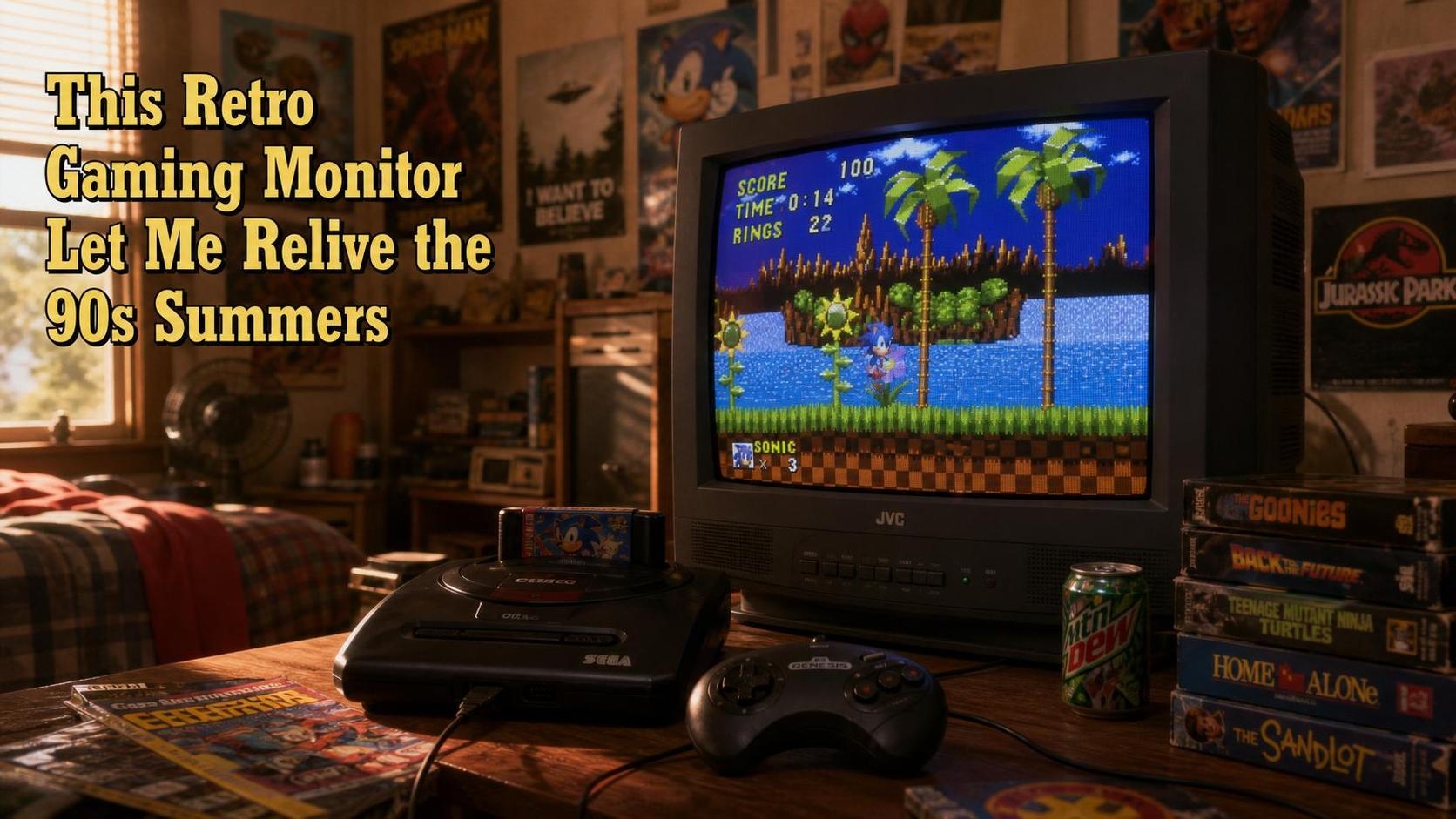
This Retro Gaming Monitor Let Me Relive the 90s Summers
There is a specific smell that belongs to a summer afternoon in the 1990s. It's a mix of hot asphalt, grass someone just mowed, and the warm electrica
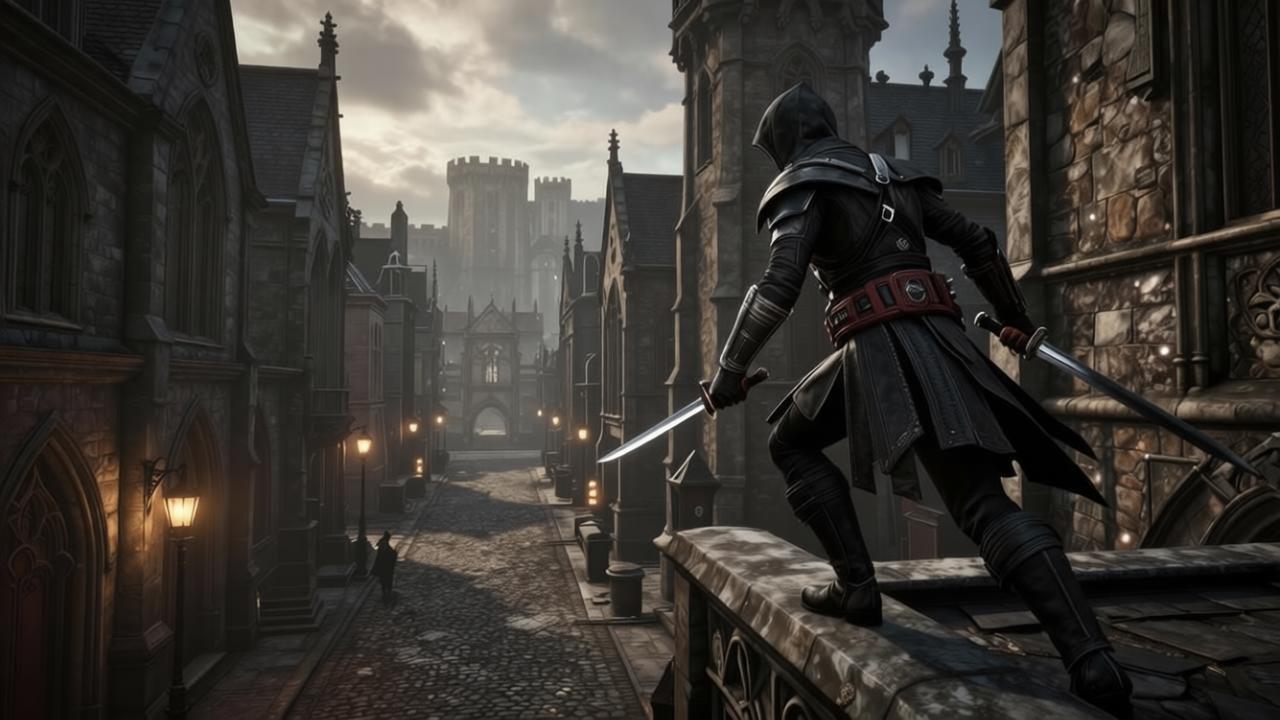
Assassin's Creed Shadows Ended Up Great–If You Played All The DLC
I'll say something that might get me looked at sideways by certain corners of the fanbase. I think Assassin's Creed Shadows is genuinely good. Maybe e
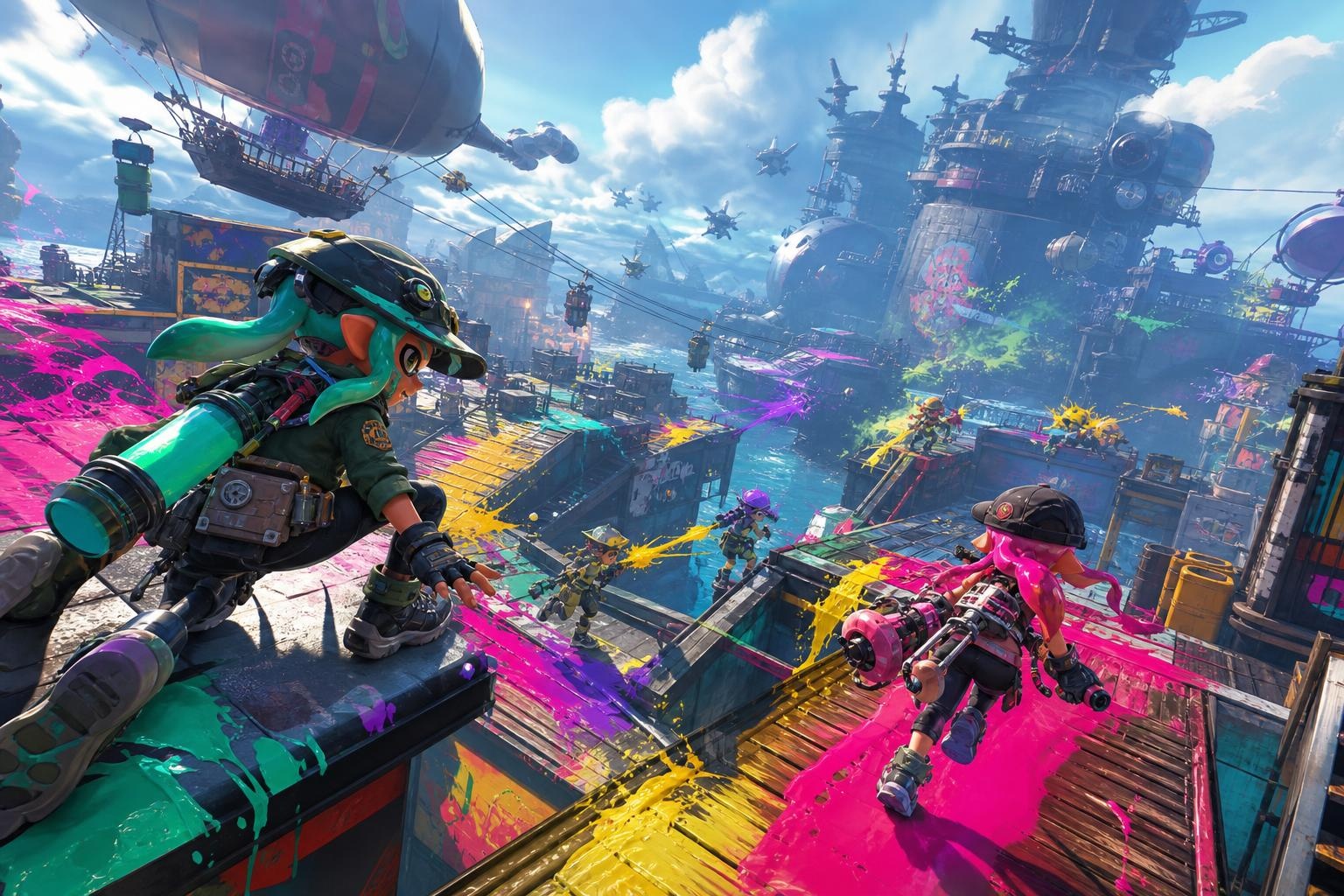
Splatoon Raiders Is A Bold Rethink Of What Makes A Splatoon Game
Splatoon Raiders Flips the Series on Its Head, and That's Exactly the Point For close to ten years, Splatoon has meant one thing to most players. Comp
Prime Slimes: A Guide To Gaming's Greatest Goo-Getters
Prime Slimes: A Guide to Gaming's Greatest Goo-Getters There is something weirdly satisfying about a good slime. Maybe it's the way they jiggle when t