
What gaming companies' CSR reports actually tell us
ESG reporting has become almost mandatory for publicly traded gaming companies. Flip through any of their annual social responsibility reports and you

ESG reporting has become almost mandatory for publicly traded gaming companies. Flip through any of their annual social responsibility reports and you'll see the same pattern. Glossy pages, smiling faces, big numbers about charitable giving and environmental pledges. I've been reading through a stack of these lately, and one thing keeps bothering me. The gap between what companies promise and what they actually deliver is hard to pin down, partly because the reports are designed to make pinning it down difficult.
The charity numbers are real, but context is missing
Let me start with what's genuinely there, because there is real money moving.
Riot Games runs some of the most visible player-facing charity campaigns in the industry. Back in 2021, its Sentinels of Light in-game fundraiser pulled in $5.8 million for the company's Social Impact Fund. That money went to 30 nonprofits across 18 countries. The VALORANT Give Back Bundle added another $5.5 million in player contributions. Riot also matched over $500,000 in employee donations to local nonprofits. The company organizes its giving around four pillars: education, citizenship, opportunity, and sustainability. Whether those pillars actually shape strategy or just sound good in a report is a separate question I can't answer from the outside.
Chinese companies have been ramping up too. 37 Interactive Entertainment reported that its Youxin Charity Foundation supports 2,767 students across 49 high schools in nine provinces. Its 2025 semi-annual report cites nearly 10 million yuan in donations toward rural revitalization. Kingnet Network wrapped up its first three-year sustainability plan in 2025, having put over 25 million yuan into charitable initiatives by October. Its programs lean toward online education, computer classrooms, and intangible cultural heritage projects.
Smaller players are active as well. GreedyGame logged 26 charitable activities in 2024, donating 5.2 million yuan and reaching over 10,000 participants. G-bits and Thunder Games got recognized at the 2025 Game Public Welfare Gala for supporting rural education and children with leukemia. Their Qingyun Plan has raised over 1.28 million yuan, about half from player donations. Hasbro, the toy and game giant, has made 3BL Media's 100 Best Corporate Citizens list for 12 straight years, ranking fourth overall and first in its industry. Its greenhouse gas reduction targets are validated by the Science Based Targets initiative.
These are not fake numbers. The money moved. The programs exist. But here's what nags at me. Almost all of this is self-published. The data isn't independently audited. And every company picks its own metrics, so you can't really compare one against another. Riot's $5.8 million and Kingnet's 25 million yuan exist in totally different reporting frameworks. Saying "the industry is generous" based on these reports is like grading your own homework.
Environmental promises hit a wall fast
The environmental side is where the gap gets uncomfortable.
Kingnet claims it hit "operational level carbon neutrality" by Q3 2025. Over three years it bought 3,795 green electricity certificates, responded to the CDP climate questionnaire, and got a management-level B rating. It also planted trees in Xinjiang and Inner Mongolia. 37 Interactive Entertainment has woven environmental themes into its games and built functional games about wetland ecosystems, with over 1,500 people joining its ecological activities. It also partners with environmental NGOs on wetland conservation.
Then you look at the fine print and the enthusiasm cools. Environmental concerns make up only about 5% of the weighting in MSCI ESG ratings for interactive media companies. The rest is governance and social factors. Gaming's carbon footprint is genuinely small compared to manufacturing or logistics, which means there's less pressure to go deep on environmental work. GreedyGame's green efforts are mostly office-level stuff. Energy-saving lighting, water conservation, paperless operations, waste sorting. Useful but basic. The company planted nearly 600 trees in 2025, which sounds nice until you hold it against the scale of the industry.
Even Hasbro, with its validated targets and best-citizen badges, is still in the implementation phase. Being on the right list doesn't mean the work is done. It means the company made ambitious promises and now has to follow through. I don't doubt the sincerity, but sincerity and outcomes are different things.
The credibility problem runs deeper than any single report
Here's what I keep coming back to. These reports are mostly self-published, and the companies writing them are also the ones deciding what counts as success.
Ourpalm's 2025 report is a telling example. It mentions environmental and social initiatives but spends most of its pages on corporate governance and shareholder value. That's not surprising. Most CSR reports are written for investors first and the public second. They're designed to look good. Independent evaluations do exist. 37 Interactive Entertainment has held an AA MSCI ESG rating for three years, which puts it in the "leader" category. But AA isn't AAA, and the methodology behind these ratings isn't transparent to the average player or even the average journalist.
GreedyGame was recognized as a "Pioneer Unit in Minors' Online Protection." That's a meaningful label, but it's also narrow. It says something about one specific area and nothing about the company's broader footprint.
The risk I keep thinking about is that CSR reports become reputation laundering tools. A glossy document that lets a company claim progress without delivering systemic change. I'm not saying the initiatives are worthless. The education programs, the charity drives, the employee matching funds, they do real things for real people. But you have to weigh that impact against the revenue and cultural weight of the companies involved. A 25 million yuan donation means something different from a company that pulls in billions.
Where this leaves us
I don't want to be entirely cynical about this. Gaming companies are making genuine efforts. The charity campaigns and green energy certificates and education programs exist and they help people. But the reporting around them is limited in scope, inconsistent in quality, and framed to make companies look as good as possible.
That framing matters because of the industry's scale. Gaming reaches billions of players. Its revenues beat music and film combined. With that kind of influence, responsibility doesn't just mean cutting a check or planting trees and putting it in a PDF. It means outcomes that someone outside the company can verify.
The companies worth watching aren't the ones with the prettiest reports. They're the ones willing to publish numbers that an outside auditor could actually check, and willing to talk honestly about where they fell short. I haven't seen many of those yet.
Original Content Declaration — This article was written by the appdgg Editorial Team and represents original work created through independent research and firsthand gameplay experience. Last updated: July 2026.
Other content
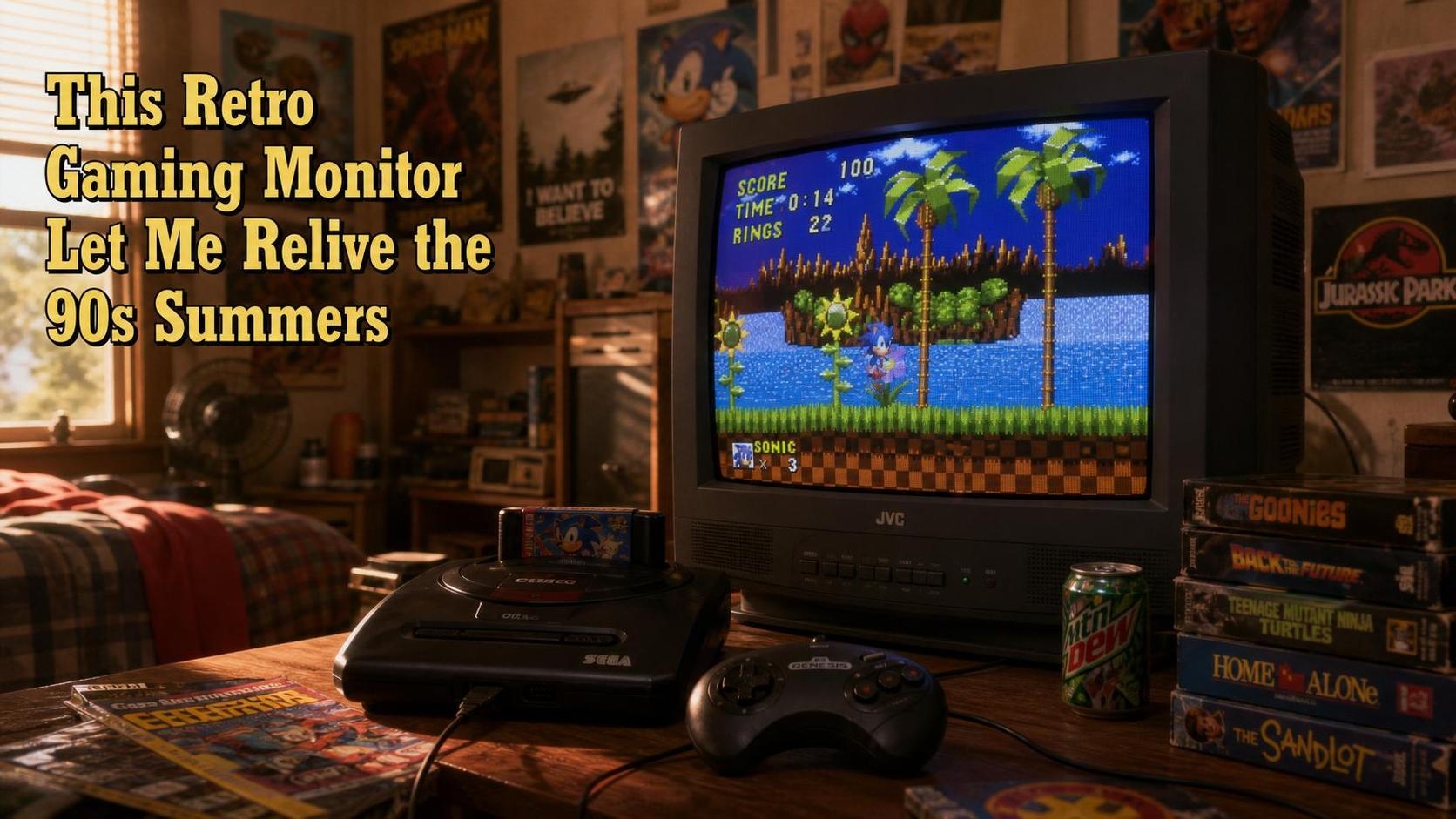
This Retro Gaming Monitor Let Me Relive the 90s Summers
There is a specific smell that belongs to a summer afternoon in the 1990s. It's a mix of hot asphalt, grass someone just mowed, and the warm electrica
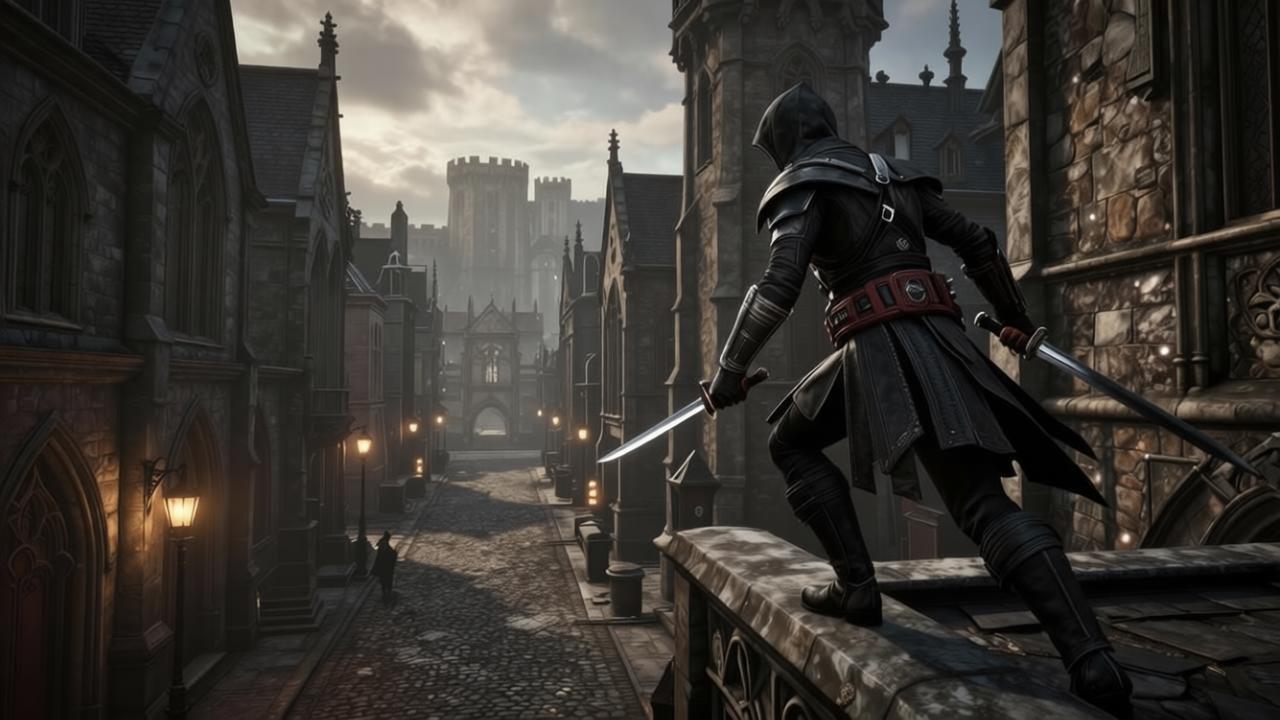
Assassin's Creed Shadows Ended Up Great–If You Played All The DLC
I'll say something that might get me looked at sideways by certain corners of the fanbase. I think Assassin's Creed Shadows is genuinely good. Maybe e
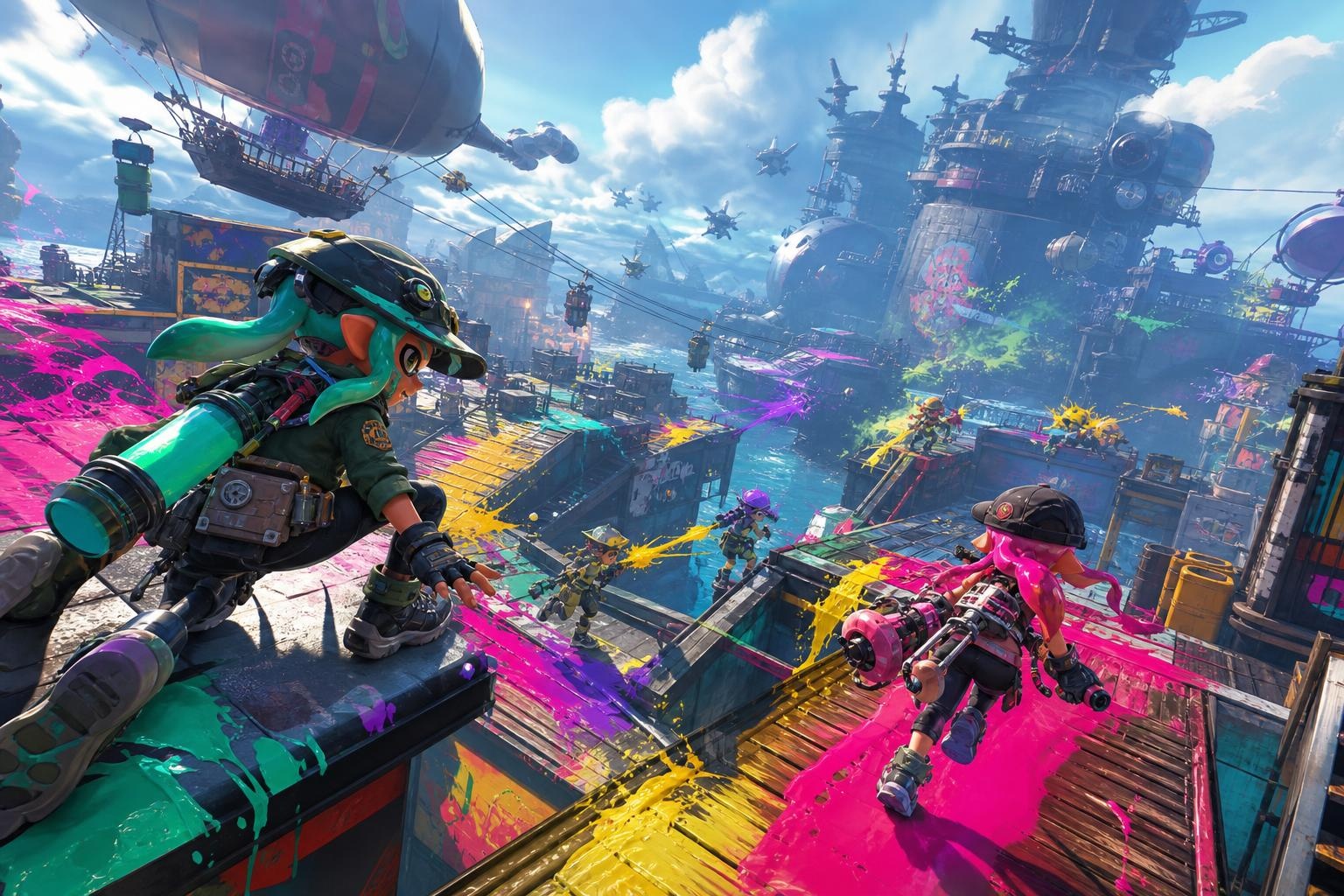
Splatoon Raiders Is A Bold Rethink Of What Makes A Splatoon Game
Splatoon Raiders Flips the Series on Its Head, and That's Exactly the Point For close to ten years, Splatoon has meant one thing to most players. Comp
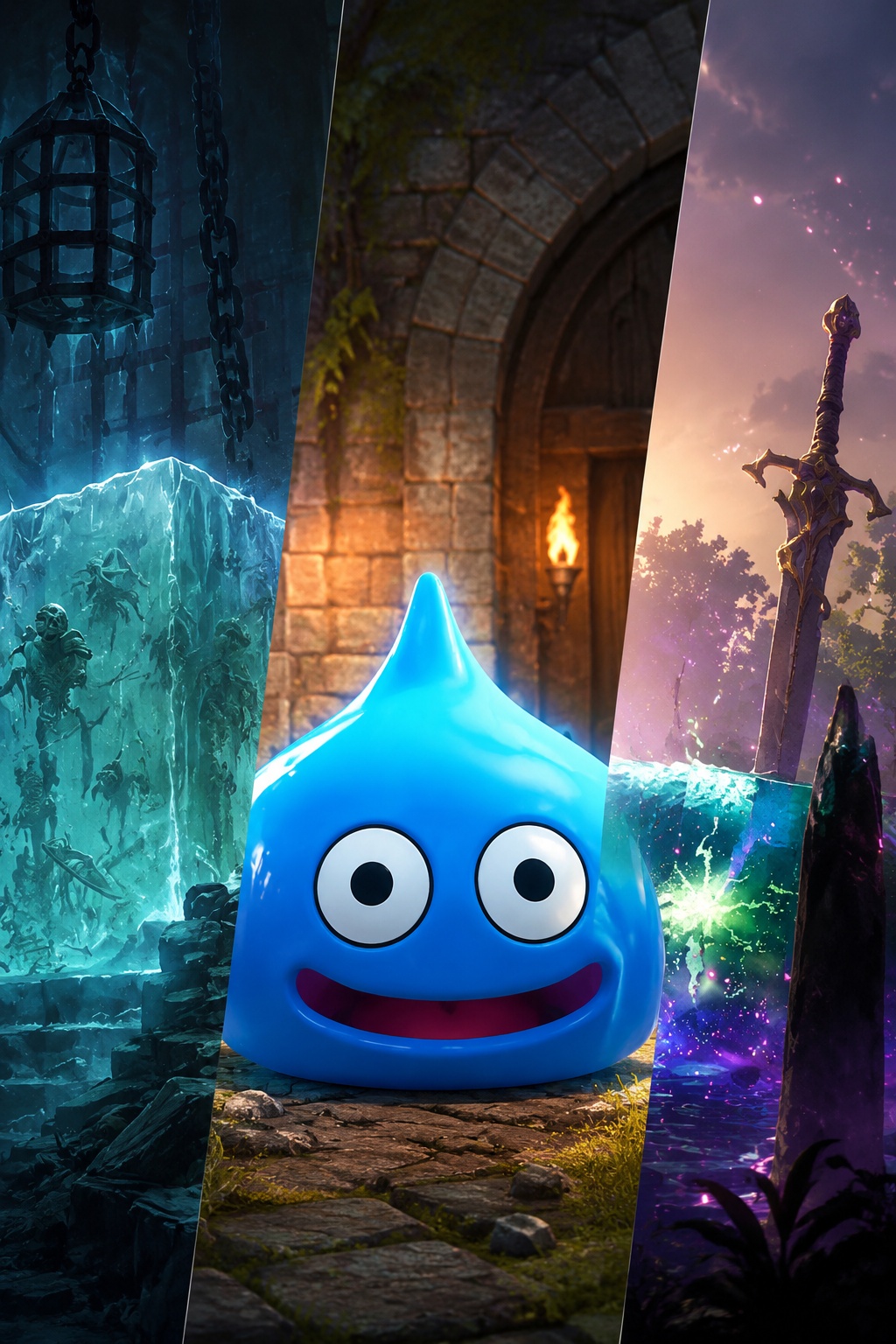
Prime Slimes: A Guide To Gaming's Greatest Goo-Getters
Prime Slimes: A Guide to Gaming's Greatest Goo-Getters There is something weirdly satisfying about a good slime. Maybe it's the way they jiggle when t