
Safety & Construction
Concrete mistakes new crews make early
Concrete work gets messy fast when prep and timing are treated like details. These are the early mistakes that keep showing up on rushed crews.
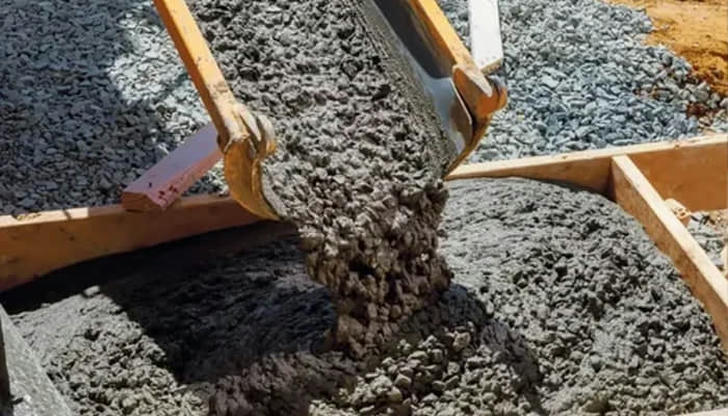
Prep is part of the pour
People talk about the pour like it begins when the truck shows up. In practice, it starts earlier with forms, reinforcement, access, tools, water planning, and a clear finishing sequence.
If that prep is weak, the whole day feels rushed even when the crew is working hard. Everyone is reacting instead of moving through a plan.
Concrete punishes that kind of improvisation. It does not wait for you to get organized.
Water guesses can change the job fast
New crews often treat extra water like an easy fix for workability. Sometimes that decision comes back to haunt the finish, the curing behavior, or the schedule that follows.
The mix design and site conditions matter. So does restraint. "Just add a little more" is not a harmless reflex.
If you are still learning, that is a good sign to slow down and get direction instead of freelancing the mix.
Timing mistakes are expensive
Waiting too long to finish, cutting too early, or missing the right window for the next step can leave marks that stay with the slab. Sequence matters here more than beginners expect.
The crews that look smooth usually are not rushing less because they are lucky. They know what comes next before the surface forces the decision.
That is why orientation content spends so much time on timing. Once the slab moves on, you do not always get a clean do-over.
Curing and protection are not optional afterthoughts
A lot of beginner attention goes to the pour itself, then drops off once the surface looks presentable. That is too early to mentally clock out.
Weather, traffic, moisture retention, and protection from premature damage all matter after placement. A slab can look fine early and still be treated badly later the same day.
The work is not over just because the loudest part is done.
Do not blur safety and productivity
Wet surfaces, saw cuts, lifting, dust, and repetitive motion all pile up. A fast pour with sloppy safety habits is not efficient. It is just risky.
Real structural decisions still belong to qualified professionals, especially when load, reinforcement, or code compliance enters the picture.
There is nothing slow about stopping a bad setup before somebody gets hurt.
Sources and image note
Images on appdgg study pages come from licensed stock, manufacturer or agency reference material cleared for editorial use, or simple in-house crops and overlays. If an older asset cannot be traced in our asset log, we replace it or remove it.
- OSHA construction safety resources
- Portland Cement Association references
Keep reading
This article sits inside the Safety and construction basics topic hub. You can continue with the hub page or jump straight into the recommended quiz.
Topic hub
Safety and construction basics
Entry-level material on personal protective gear, concrete work basics, and the jobsite checks that matter before work starts.
Quiz page
Worksite Safety Gear Basics
A safety-first quiz on protective equipment, damaged tools, and the habits that lower risk before a job gets underway.
Quiz page
Concrete Site Basics
A field-focused quiz on curing, placement timing, reinforcement, and the safety habits that matter on basic concrete work.