
HVAC
HVAC warning signs worth stopping for before they get worse
The HVAC symptoms homeowners notice first often look minor until they stack up. Warm airflow, short cycling, ice on the line, and new sounds all deserve a closer look.
Warm air from the vents is not always a catastrophic failure
When the thermostat says cool and the vents say otherwise, the first instinct is usually that the whole system has failed. That is rarely the first thing worth checking.
Mode setting, temperature target, and basic airflow conditions explain a surprising number of warm-air complaints. A thermostat left in heat mode, a set point too close to room temperature, or a fan running without cooling can all produce air that feels warm without meaning the compressor is dead.
Start with the plain checks. Confirm the thermostat mode, the set temperature, and whether the outdoor unit is running at all. If those look right and the air still does not cool, the problem gets more complicated, but at least you ruled out the obvious first.
Weak airflow and dirty filters are connected more often than people think
A system that runs but barely moves air through the vents is a different complaint from one that moves air but does not cool it. Weak airflow points toward restriction somewhere in the path.
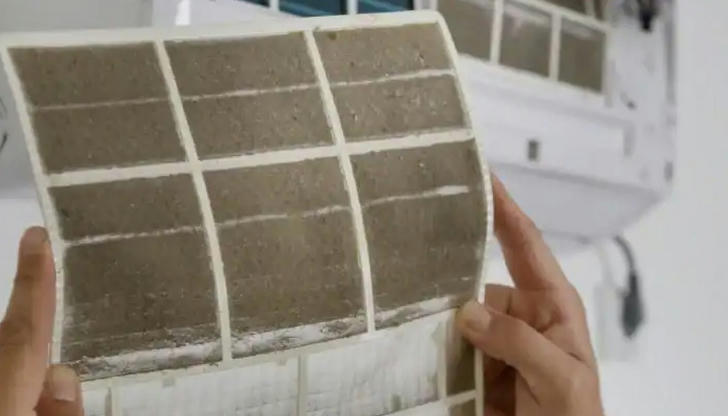
A clogged filter is the most common culprit. It is also one of the easiest things to check. When air cannot return to the system properly, every room downstream suffers, and the equipment works harder than it should.
Closed supply vents, blocked return grilles, and furniture sitting over returns can create similar symptoms. If one room is weak and the rest feel fine, start local before assuming a whole-system problem.
- Check the filter condition before assuming a blower or duct failure
- Make sure return grilles are not blocked by furniture or debris
- Note whether weak airflow is whole-house or isolated to one area
Ice on the indoor line is a warning, not a bonus
Seeing frost or ice on the refrigerant line or around the indoor coil surprises people. Some assume the system is cooling extra well. That is almost always the wrong read.
Freeze-up typically happens when airflow across the coil is restricted or when the system has a deeper operating issue. A frozen coil usually means the system needs attention, not that it is working overtime.
If you see ice, the safest move is to turn the cooling off and let the system thaw before running it again. Continuing to run a frozen system can compound the problem and lead to more expensive damage.
Water near the indoor unit usually points to drainage
Air conditioners pull moisture out of the air during cooling. That water has to go somewhere. When the drainage path is blocked or slow, the water shows up where it should not.
A clogged condensate drain line is one of the most common causes of water around an indoor unit. The drain pan can also overflow if the line is restricted or if the pan itself is damaged.
If you see water near the indoor equipment during cooling season, check the drain path before assuming a major leak. A wet floor is still worth addressing quickly, but the cause is often less dramatic than it looks.
Short cycling deserves attention before it becomes a habit
A system that starts and stops in very short intervals is not running efficiently. Short cycling can point to an oversized unit, a thermostat issue, an airflow problem, or something more serious in the equipment itself.
The pattern matters. A system that runs for ten minutes, stops for two, and starts again is not the same as one that runs for an hour straight. The shorter the cycle, the more attention the symptom deserves.
Short cycling wears on components and raises energy use. If you notice it happening repeatedly, note the pattern and get someone qualified to look at the system before it becomes a bigger repair.
New sounds, burning smells, and repeated breaker trips are stop signs
HVAC equipment has a normal operating sound. When that sound changes suddenly, the change is information. A new squealing, grinding, or scraping noise usually means something mechanical needs service.
Burning smells and repeated breaker trips are even more direct. A breaker that trips once might be a fluke. A breaker that trips repeatedly is telling you that something in the electrical path is not right.
These are the symptoms where the smart move is to stop using the system and arrange professional diagnosis. Repeated resets, forced runs, or ignoring a burning smell can turn a repairable problem into a safety hazard.
Good symptom notes make service visits shorter
When you call for HVAC service, the details you can provide shape how fast the visit moves. Saying the air is warm tells the technician less than saying the thermostat is set to cool, the outdoor unit is running, but the supply air feels room temperature.
Note when the symptom started, whether it affects the whole house or one area, and whether anything else changed at the same time. Sounds, smells, and water observations are all useful.
A clear symptom description does not replace diagnosis, but it helps the technician start in the right place. That usually means a faster fix and less guesswork on the visit.
Sources and image note
Images on appdgg study pages come from licensed stock, manufacturer or agency reference material cleared for editorial use, or simple in-house crops and overlays. If an older asset cannot be traced in our asset log, we replace it or remove it.
- Energy Saver air conditioner maintenance basics
- Thermostat and air-handler manufacturer guides
- Homeowner HVAC symptom references
Keep reading
This article sits inside the HVAC basics topic hub. You can continue with the hub page or jump straight into the recommended quiz.
Topic hub
HVAC basics
Homeowner-friendly material on airflow, filter checks, thermostat basics, and the tool names beginners mix up.
Quiz page
HVAC Toolbox Basics
A homeowner-friendly HVAC quiz on airflow, thermostat checks, common tools, and the warning signs that tell you when simple checks stop being enough.