
Automotive
Five checks before you lift the car for a tire change
Most tire-change trouble starts before the car is in the air. A safer pull-off spot, a usable spare, and the right lift point make the stop much easier to manage.
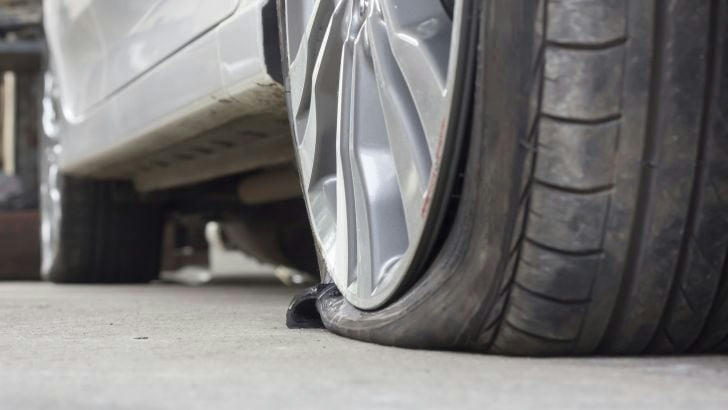
Pick the safest place you can get to
The first instinct is usually to stop the second you hear the tire go bad. Sometimes that is right. Sometimes rolling a little farther to a wider shoulder or a parking lot is the safer call.
Flat, firm ground matters. A jack on gravel, mud, or a steep slope can shift when you least want it to.
Before you even open the trunk, set the parking brake, turn on the hazard lights, and look at traffic. If the space feels too tight for you to kneel beside the car, it is tight enough to back out of the plan.
Lay the tools out before you touch the jack
A simple tire change goes sideways fast when one piece is missing. People learn that the hard way when the lug wrench is gone, the spare is half flat, or the jack handle is not in the kit.
Put everything on the ground where you can see it: spare, wrench, jack, and any wheel lock key if your car uses one. Two quiet minutes here beat ten frantic minutes later.
If your spare is obviously low, do not talk yourself into it. A temporary spare only helps if it can actually carry the car.
- Spare tire has visible pressure and no obvious damage
- Jack, handle, wrench, and wheel lock key are all present
- Owner manual or jack-point diagram is easy to reach
Loosen the nuts while the tire still has weight on it
This is the classic beginner mistake. If you lift first and loosen later, the wheel wants to rotate and every stubborn nut feels twice as bad.
Crack each lug nut loose while the flat tire is still planted. You do not need to remove them yet. You just want that first tight turn out of the way.
After that, lift the vehicle at the correct jack point. The owner manual matters here. Guessing under the rocker panel or floor pan is how people bend parts that were never meant to hold the load.
Treat the spare like a way home, not a normal tire
Once the spare is on, snug the lug nuts in a star pattern and lower the car carefully before you finish tightening. Do not rush the last step just because the hard part feels over.
Many compact spares come with speed and distance limits. They are for getting you off the roadside and to a repair shop, not for pretending the problem is solved for the week.
If the damaged wheel, tire, or brake area looks worse than a normal flat, keep the plan small. Swap only if the rest of the setup still looks ordinary.
Stop when the scene is worse than the flat
A tire change is not mandatory if the location is bad. Fast traffic, soft shoulders, rain, low light, or a car sitting too close to the lane can turn a simple job into a risky one.
That is when roadside assistance earns its keep. The same goes for damaged studs, stripped nuts, or a vehicle that does not feel stable on the jack.
If the setup feels wrong, get help and keep yourself out of the danger zone. Questions and corrections can always be sent to [email protected].
Sources and image note
Images on appdgg study pages come from licensed stock, manufacturer or agency reference material cleared for editorial use, or simple in-house crops and overlays. If an older asset cannot be traced in our asset log, we replace it or remove it.
- NHTSA road safety guidance
- Vehicle owner manuals and spare-tire instructions
Keep reading
This article sits inside the Automotive basics topic hub. You can continue with the hub page or jump straight into the recommended quiz.
Topic hub
Automotive basics
Starter pages for drivers who want to understand warning signs, routine checks, and the small habits that prevent avoidable roadside trouble.
Quiz page
Basic Car Maintenance Checks
A practical starter quiz about flat tires, tread wear, warning signs, and the routine checks that keep a daily driver safer.