
Plumbing
Why knowing your shutoff valves saves time and a lot of cleanup
The worst time to learn where your shutoff valves are is while water is already hitting the floor. A little prep now can save a long cleanup later.
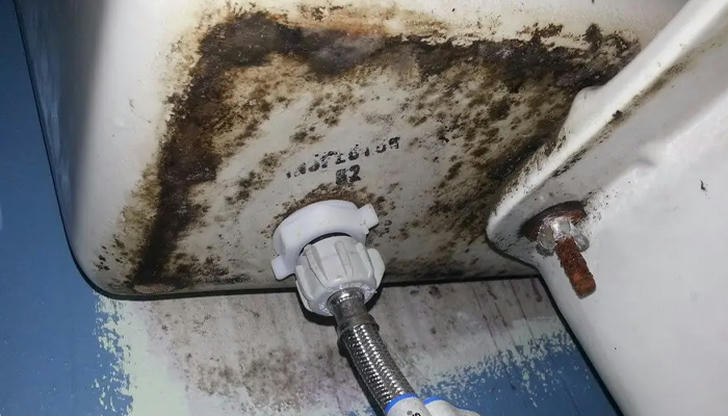
Local valves let you keep the rest of the house running
Under-sink stops and toilet shutoffs exist so one small repair does not have to shut the whole house down. When they work, life gets easier fast.
That matters more than people think. One person can swap a supply line while somebody else still uses the kitchen or shower without a full-house interruption.
It also keeps small repairs calmer. You can focus on the fixture in front of you instead of racing the clock on everyone else in the building.
Find them now, not in the middle of a leak
Plenty of valves sit untouched for years. That is why the label in your head tends to be vague: maybe under the sink, maybe near the water heater, maybe somewhere on the exterior wall.
Walk the house once when nothing is wrong. Find the main shutoff. Find the local stops at sinks and toilets. Make sure everyone in the home knows the main one too.
You do not need a laminated emergency map. A phone photo and a clear memory are already better than most households have.
- Know the main shutoff location
- Know the local shutoffs for sinks and toilets
- Keep a bucket and towels close before loosening supply lines
Test gently before you need them
A valve that should turn but will not move is useful information. You just do not want to learn it while water is spraying into a cabinet.
Check them carefully during a quiet weekend. If a stop valve is seized, corroded, or looks ready to crumble, that becomes a planned repair instead of an emergency surprise.
Do not force a stubborn valve with heroics. Breaking it creates a bigger mess than the one you were trying to prevent.
Once the water is off, the problem gets easier to read
Leaks feel bigger when the water is still running. Shut the flow down and the picture usually sharpens fast. Is it the trap, the supply line, the faucet body, or the stop valve itself?
Even if you end up calling a plumber, isolating the leak saves time and narrows the work. That usually means a better service visit and less collateral mess.
This is the quiet value of knowing your shutoffs. It buys you time to think.
Sources and image note
Images on appdgg study pages come from licensed stock, manufacturer or agency reference material cleared for editorial use, or simple in-house crops and overlays. If an older asset cannot be traced in our asset log, we replace it or remove it.
- Homeowner plumbing handbooks and valve basics
- Fixture manufacturer supply-line guidance
Keep reading
This article sits inside the Plumbing basics topic hub. You can continue with the hub page or jump straight into the recommended quiz.
Topic hub
Plumbing basics
Short guides for leaks, clogs, shutoff valves, and the fixture-level problems homeowners usually meet first.
Quiz page
Home Plumbing Problem-Solving Basics
A plain-language quiz about drips, running toilets, clogged drains, and the small checks homeowners often make before calling for service.